Gérard Audran’s 1683 study of ancient sculpture transformed classical beauty into a system of proportion. By measuring admired antique figures, he created a visual guide that shaped how artists understood the human body for generations.
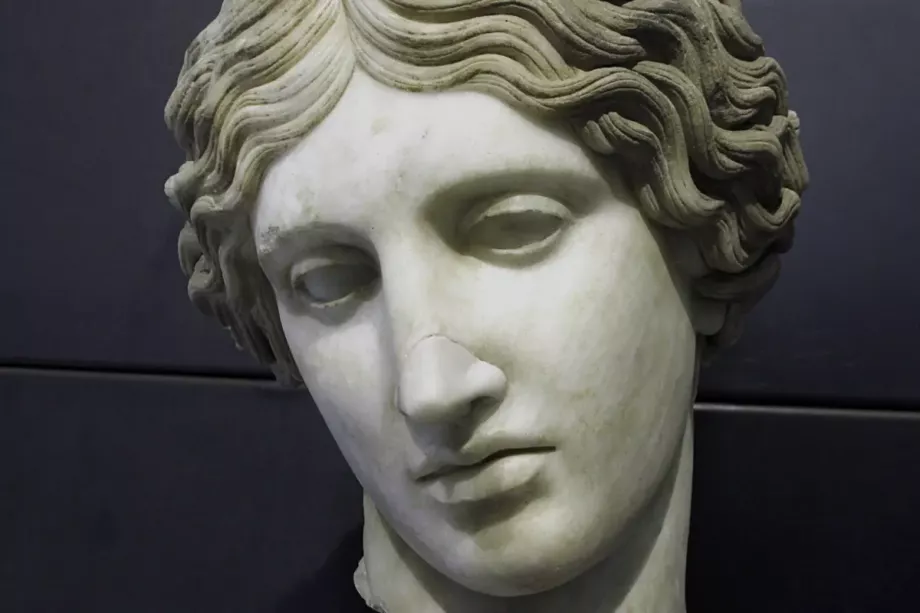
Explore the world of bronze and marble sculptures, uncovering the unique qualities that make each medium distinct. From bronze’s durability and versatility to marble’s timeless elegance, discover how these materials influence artistic expression and sculptural design throughout history.

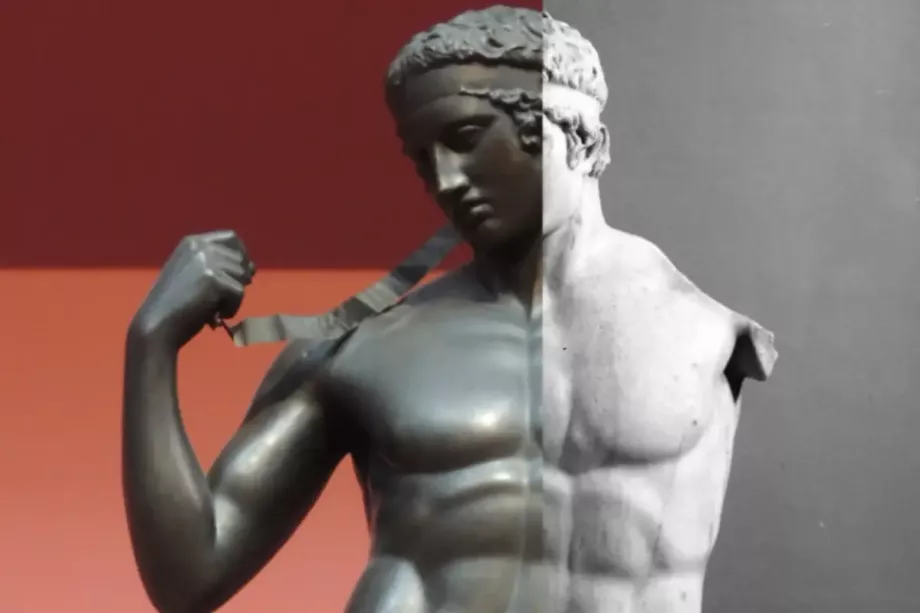
Explore the Diadumenus Sculpture at the Louvre and its connection to Greek idealism and the upcoming Paris 2024 Olympics. Learn about the sculpture's historical significance and its enduring impact on the celebration of athleticism.
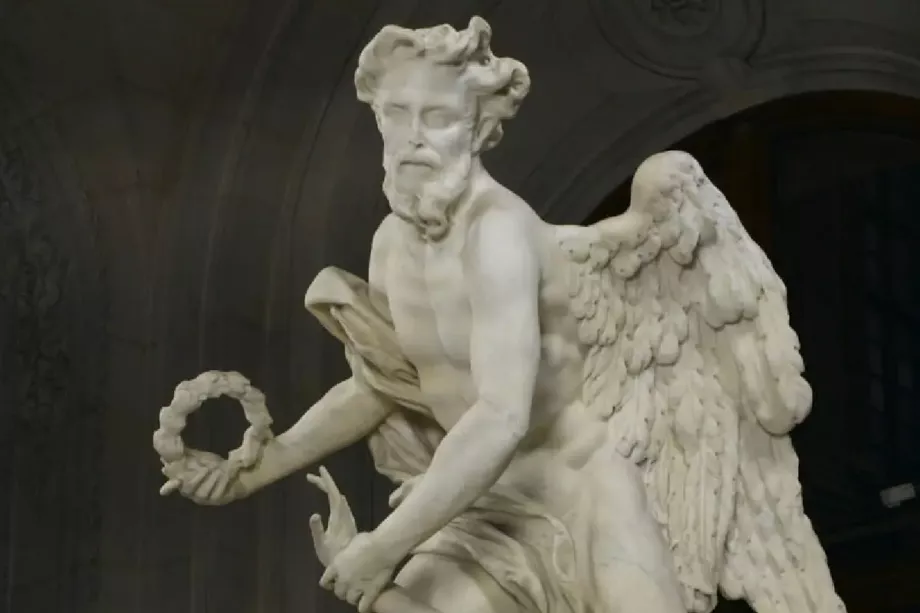
During my recent visit to the Louvre, I discovered Time Lifting up Virtue and the Arts by Honoré Pellé. This Baroque masterpiece portrays Time as a dynamic figure lifting Virtue, surrounded by playful putti symbolizing the arts. Its intricate symbolism and historical context make it a captivating exploration of timeless themes.

During the Qing dynasty, the appreciation of Gongshi reached its peak. Scholars and artists alike sought after the most magnificent stones to showcase in their homes and gardens. These stones have inspired China’s poets and painters.

During Hellenistic times, the medium of bronze helped reach new levels of sophistication. Much detailed elements of the human form translated in this metal. Expression of the body such as our dancer here. But also naturalistic facial expressions including facial wrinkles, tendons, musculature, and veins.
