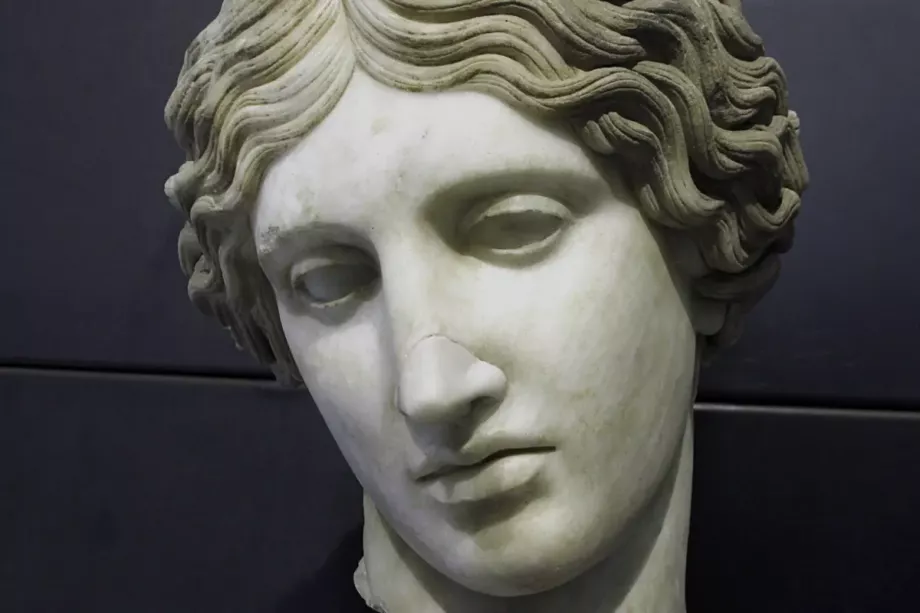
Gérard Audran’s 1683 Measurements of Ancient Sculpture
Some of you may know that I’m really interested in old manuals, especially the French ones. Just recently, my mother, while cleaning out her home, asked if she should keep these old drawing manuals meant to teach French children. In my opinion, they are treasures.
Stay with me until the end as I’ll share the direct link so you can download Gérard Audran's digitized book for free.
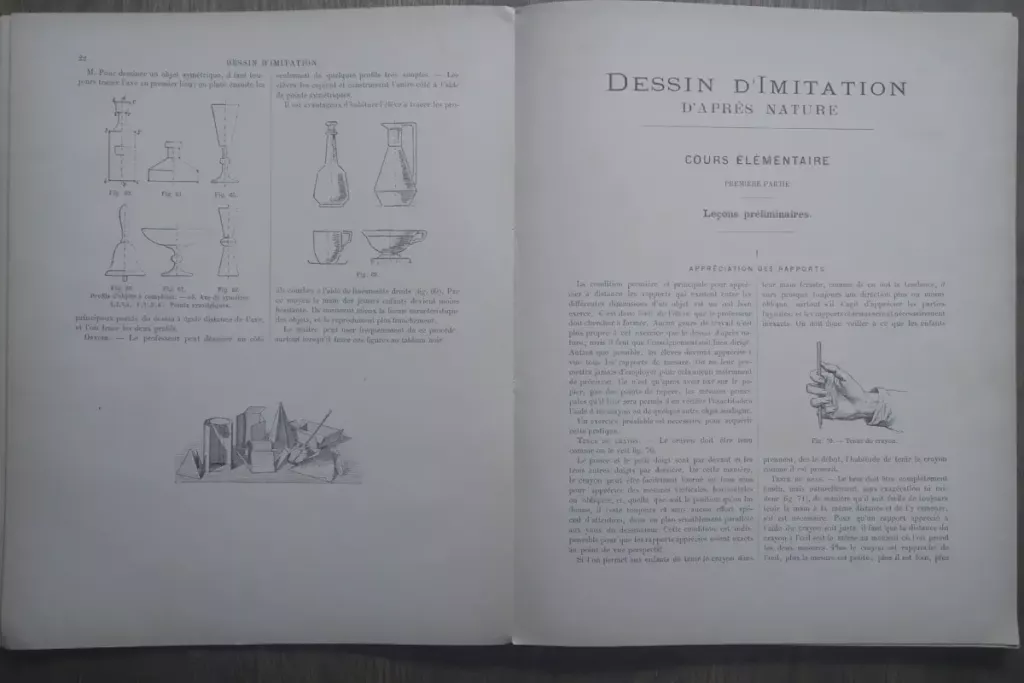
What I want to share today is how the French did us a great service by carefully capturing timeless art; the kind you’ll see copied in almost every significant museum in the world. We often glance at these works and think only “wow, it’s beautiful” or “it’s perfect.” yet there is more to it, and the history around them is fascinating in my opinion.
As I mentioned in an earlier reflection on Raphael, that feeling of seeing perfection can be a double-edged sword in modern minds. We assume it was easy and effortless, less “risqué” than contemporary art. What we miss is the great sacrifice, relentless discipline, and proof that humans can create works that truly pass the test of time. Also, what is crucial is the tools of education, the guardian of these tools, and knowing who is worth treasuring.
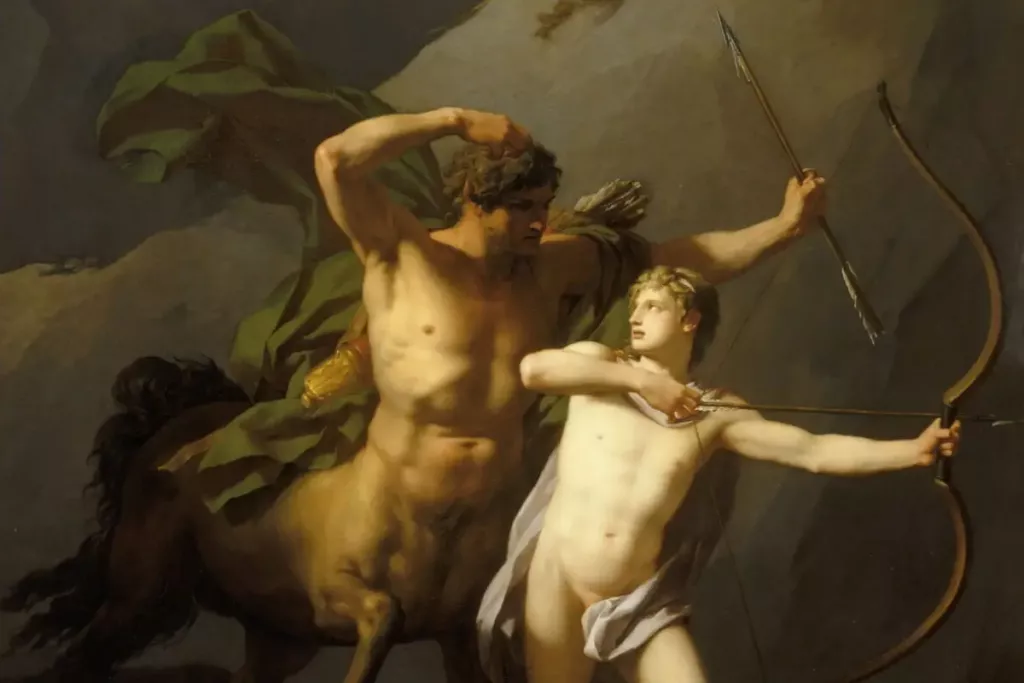
What Happens When We Try to Measure Beauty
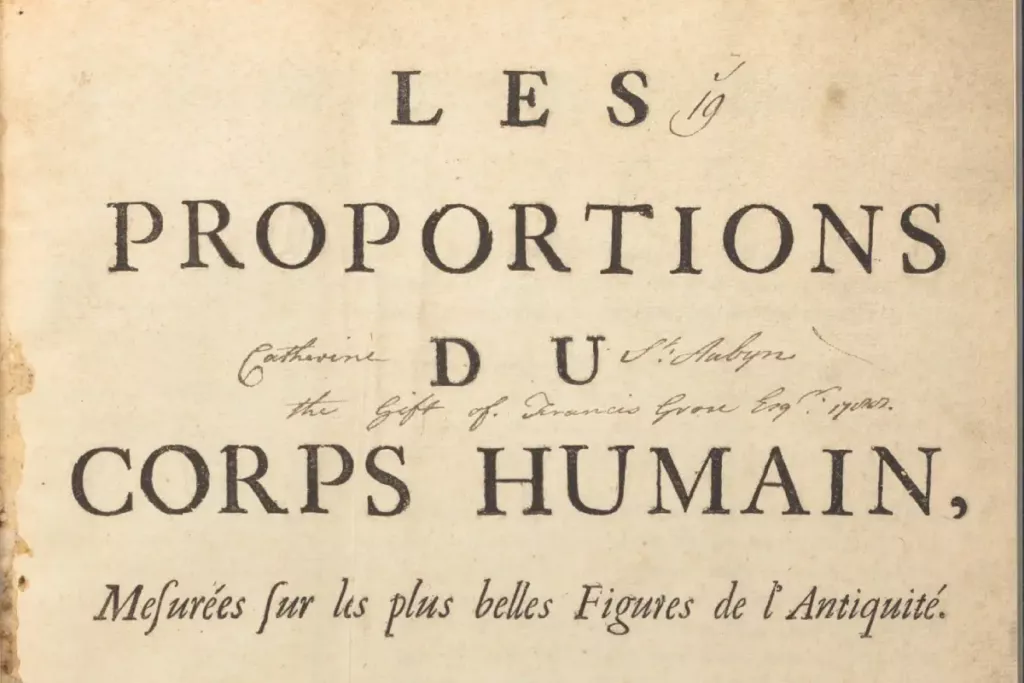
In 1683, the French engraver Gérard Audran published what I would call a foundational record: Les Proportions du Corps Humain, mesurées sur les plus belles figures de l’Antiquité.
To understand why this book mattered, it helps to go slightly earlier. The Académie royale de peinture et de sculpture was established in 1648, during the regency of Anne of Austria. In the 1660s, Louis XIV, with the help of Colbert, reorganized and strengthened it, bringing artistic training under royal direction. This was part of a broader cultural vision. Louis XIV was deeply invested in the arts, especially dance, as I explored in my reflection on his role as Apollo in the Ballet de la Nuit.
At the time, Greek and Roman sculpture represented the highest standard of beauty and proportion. Within this context, Audran’s work takes on its full meaning. By carefully measuring celebrated antique statues, he translated those ideals into a system that artists could study and reproduce. (Still relevant today)
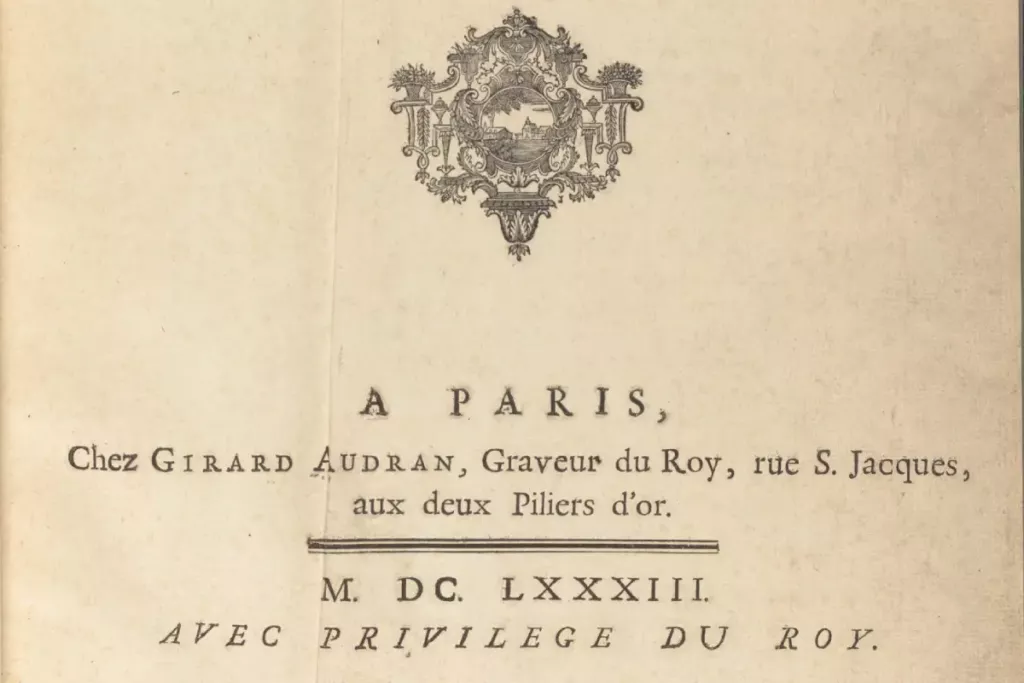
The book itself carries the mark of royal approval. As stated on the cover, it was published “Avec Privilège du Roy,” indicating official authorization from Louis XIV’s court.
There is also a later edition prepared for the French écoles centrales (around 1801) whose preface moved me deeply. It captures why this book mattered so much:
“It would be superfluous to expand at length on the need that all draftsmen have to know perfectly the proportions of the human body. It is well known that without this knowledge, they can only produce crippled or monstrous figures…”
The text goes on to explore how national tastes, climate, and personal temperament shape what each artist sees as beautiful; how a painter unconsciously paints himself into his figures. It’s a remarkably honest acknowledgment that even the pursuit of ideal, timeless form is filtered through lived, human experience.
The Sculptures That Defined an Ideal
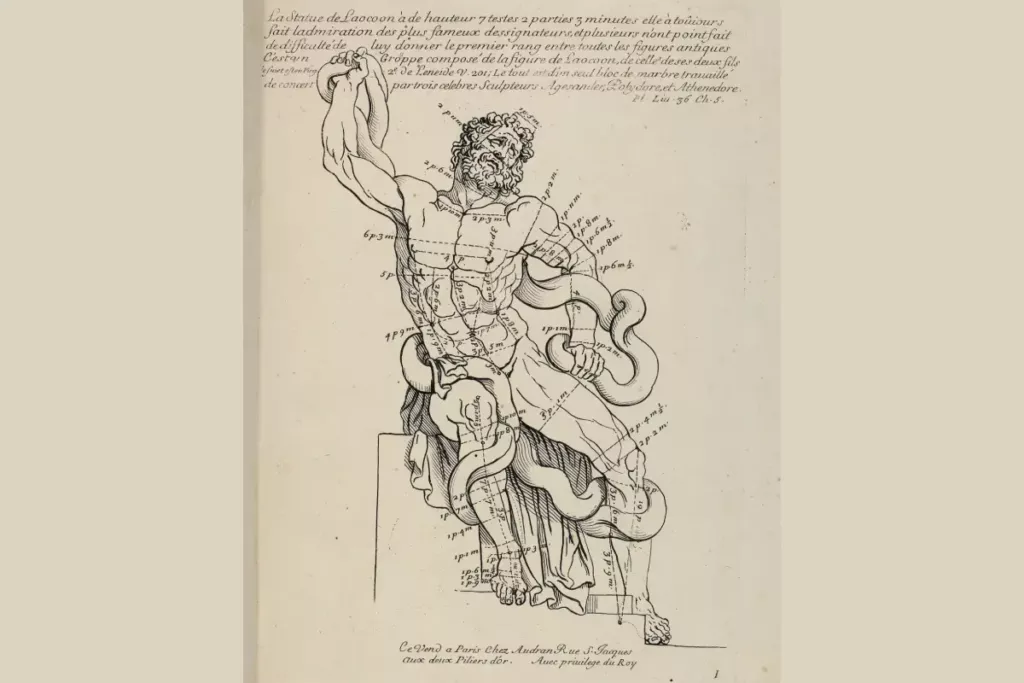
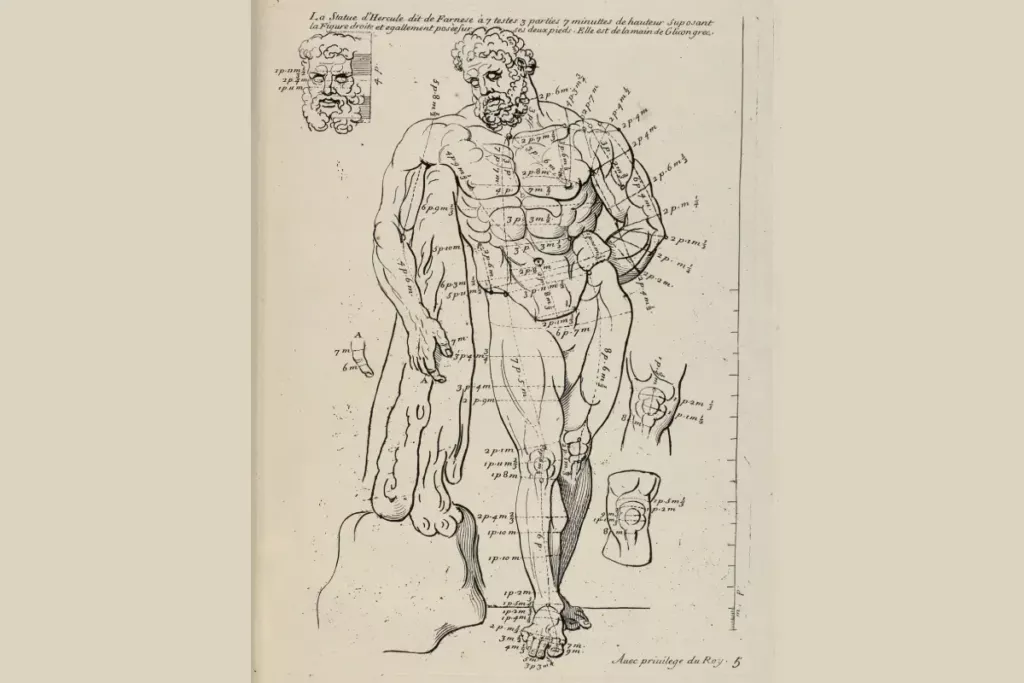
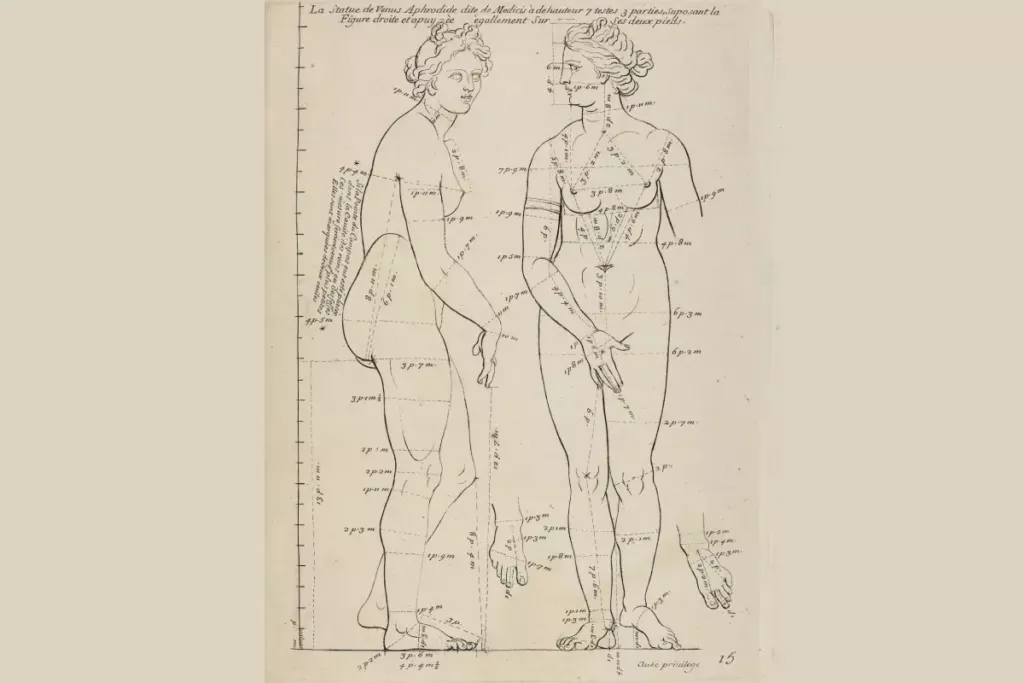
Audran recorded this beauty using a modular system of “heads,” “parts,” and finer “minutes,” he broke down the most celebrated antique statues into measurable harmony:
- The Laocoön Group: Twisted agony, father and sons entangled with serpents. The body in extremis; every muscle screaming.
- Farnese Hercules: Exhausted power. A body so massive it feels architectural.
- Venus de’ Medici (Plates 15–16): The one that started this whole conversation for me. Graceful, modest, 7 heads + 3 parts tall.
- Apollo Belvedere: Youthful divine confidence.
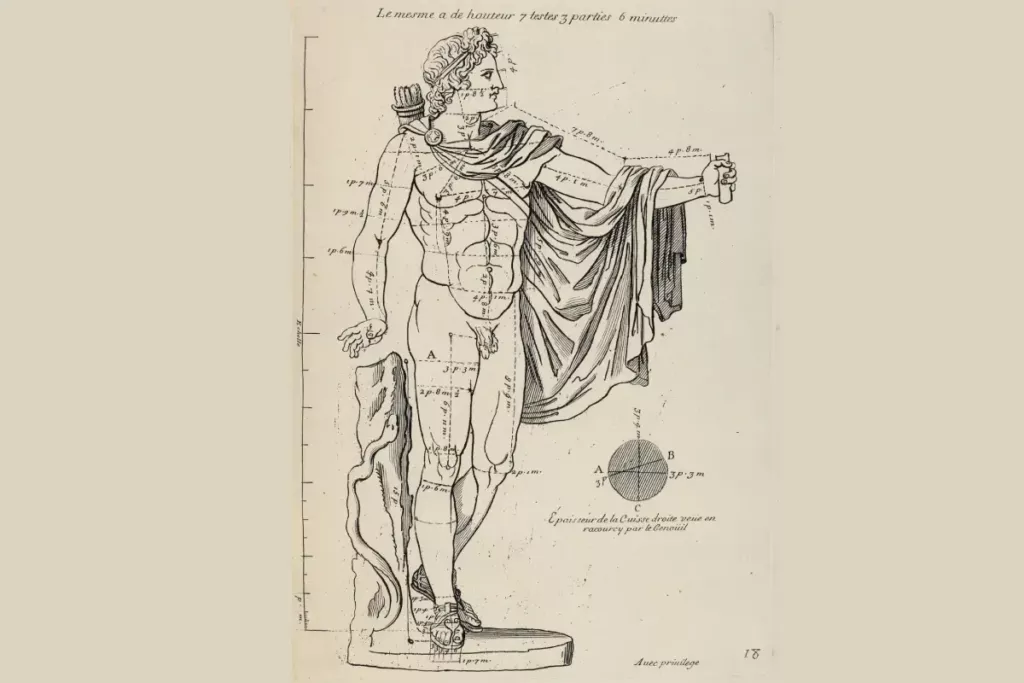
So many more iconic sculptures were measured such as the Callipygian Venus, Belvedere Antinous, Castor & Pollux, and more; each one offering a different note in the same chord of inherited Western ideals of form. These canons were practical tools for artists. You could take Audran’s grids, scale them up or down, and recreate the proportions with confidence. Before photography, this was how beauty was transmitted.
What Stays With Me
I’ve always been drawn to knowledge and understanding that somehow resists translation. To me these artworks don’t fully yield to words or even to careful measurement. They carry meaning and beauty that feels “intarissable” in French. The English word “inexhaustible” doesn’t really convey the vigorousness of “intarissable”; another example of the space between languages that sheds meaning.
Similarly, Audran’s book is a beautiful paradox in that sense. He tries to pin beauty down with numbers and lines, yet what emerges is still mysterious.
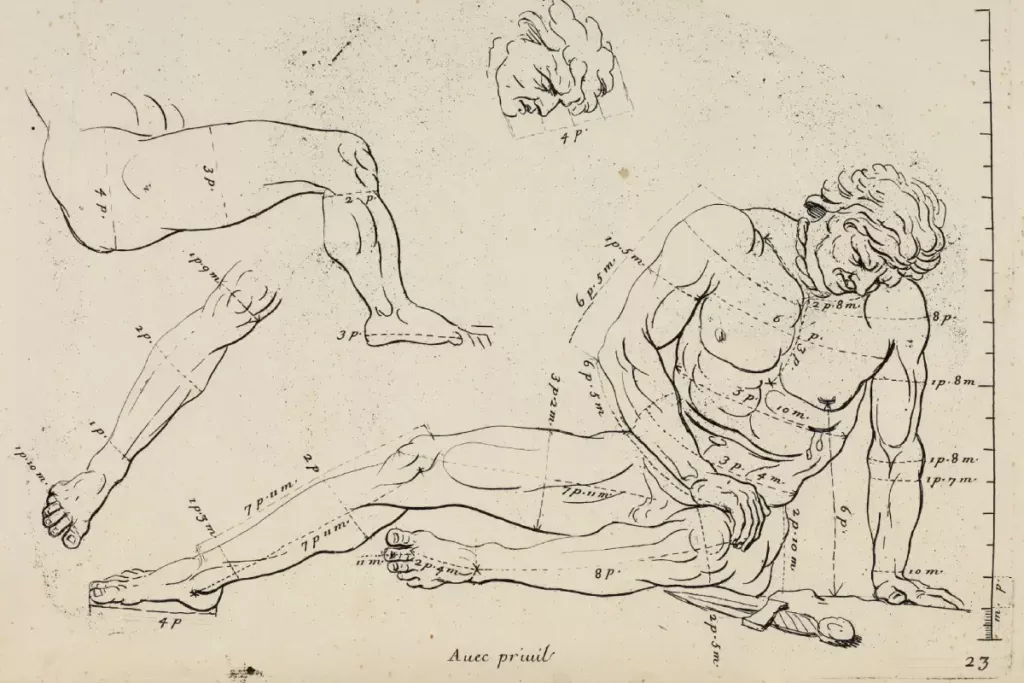

One of my favorite plates in the book is Audran’s rendering of the Dying Gaul. This sculpture has always evoked a particular mystery for me. Is it the Greeks showcasing how civilization crushed the Barbarians? Or something deeper? The Greeks didn’t depict just anyone; they portrayed enemies who fought with courage and sacrifice, those they respected. There is still so much we don’t know about them. That unknown, that respectful gaze across cultures and conflict, adds another layer to their inexhaustible beauty.
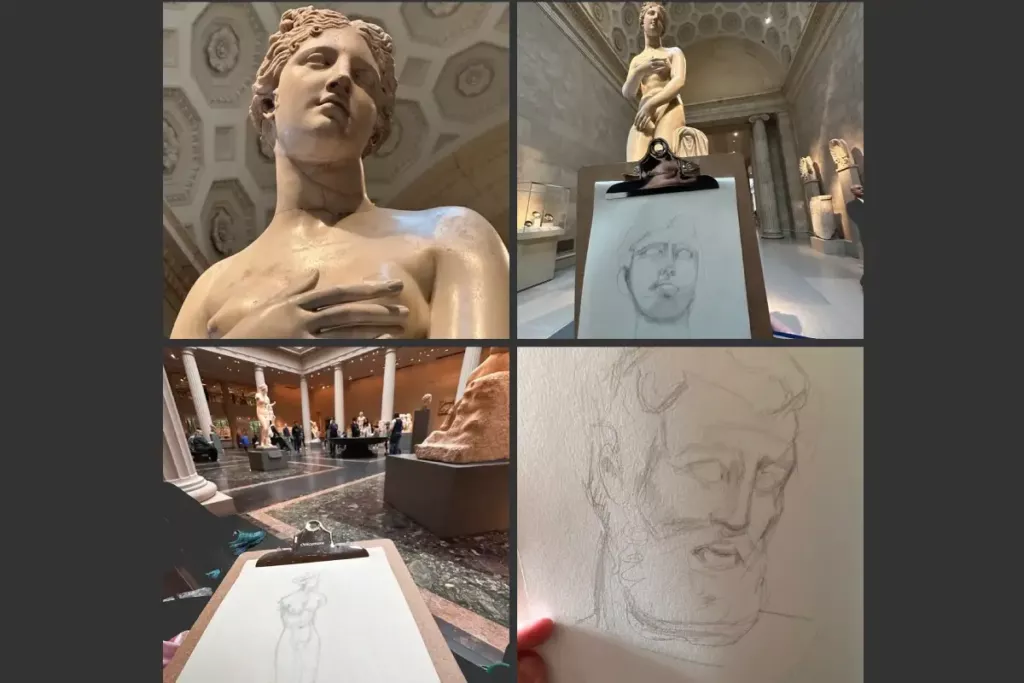
When I look at the Venus de’ Medici plate (and when I try to copy her myself, as I have several times at the Met), I don’t just see ratios. I feel the living thread that connects French academicians, Grand Tour travelers, sculptors in their studios, and me (centuries apart, in another language) all marveling at the same form. There’s something profoundly human in that chain of looking, drawing, and trying to understand.
These proportions were inherited, refined, passed down. They speak of an idea of harmony.
And yet… they also leave room for the personal. For the way a certain curve of the hip or tilt of the head might suddenly remind you of someone you once knew. For the quiet grief or longing that a body in stone can hold without ever speaking.
An Invitation
This kind of slow looking; at old books, at bodies rendered in marble or ink, at the quiet spaces between what can and cannot be measured; sits at the heart of what I write about here but also on my Substack publication which is combining explorations of language, art, cultural transmission, and the things that survive (or resist) across borders and time; I’d be honored if you joined me there if these are topics that resonate. Dreams in All Languages: Read more & subscribe here.
I also want to encourage those who say they “don’t have much of an artistic fiber”; please still pick up a pen, pencil, or brush. Write. Draw. Think on paper. It is one of the simplest ways to reconnect the two sides of the brain and tap back into our naturally creative selves. It does help to have a beautiful pen, I love to use a fountain pen or a mechanical pen for that matter.
And as promised; here is the free download link: → Download the full digitized 1683 Audran book.