Gérard Audran’s 1683 study of ancient sculpture transformed classical beauty into a system of proportion. By measuring admired antique figures, he created a visual guide that shaped how artists understood the human body for generations.
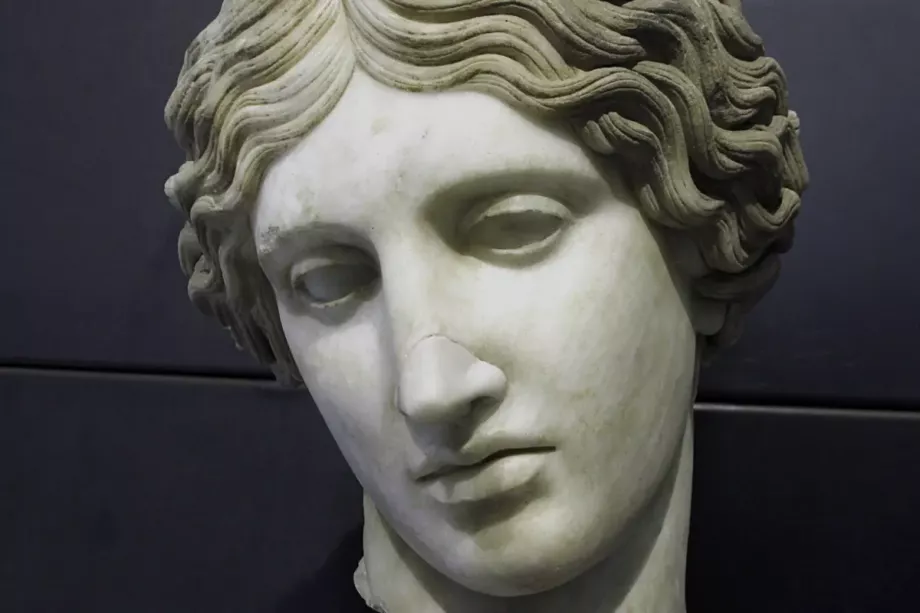
Explore the world of bronze and marble sculptures, uncovering the unique qualities that make each medium distinct. From bronze’s durability and versatility to marble’s timeless elegance, discover how these materials influence artistic expression and sculptural design throughout history.

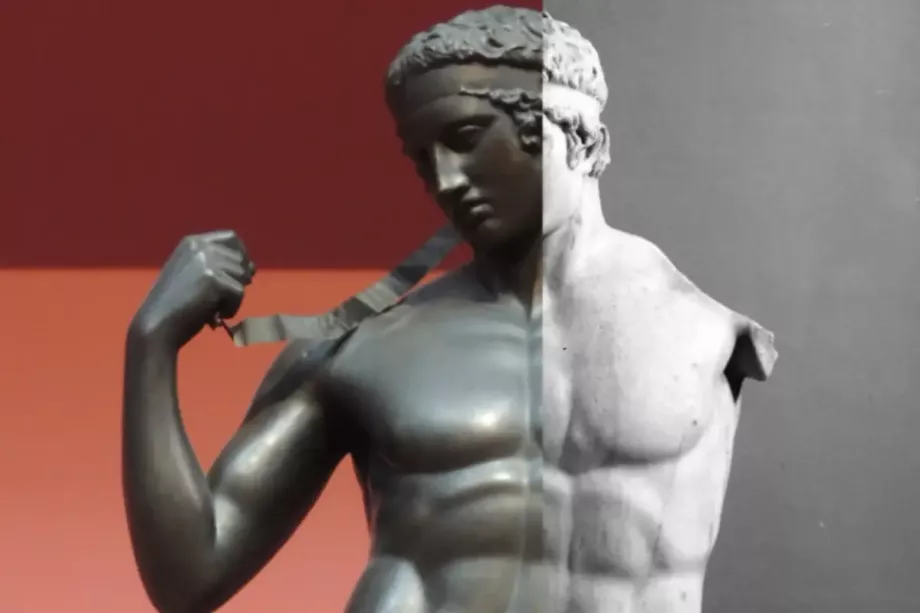
Explore the Diadumenus Sculpture at the Louvre and its connection to Greek idealism and the upcoming Paris 2024 Olympics. Learn about the sculpture's historical significance and its enduring impact on the celebration of athleticism.

During Hellenistic times, the medium of bronze helped reach new levels of sophistication. Much detailed elements of the human form translated in this metal. Expression of the body such as our dancer here. But also naturalistic facial expressions including facial wrinkles, tendons, musculature, and veins.

Master of classical Greek art, Polykleitos, revered the human figure. He created a method (the Canon) where a detailed system of mathematical calculation was to be used in order to sculpt the most perfect human form. He focused on balance and on the feel and movement of the flesh and muscle, preferably without drapery. The Diadumenus was the fruit of this intellectual approach. It greatly influenced the sense of aesthetics which played an important role in the history of Greek sculpture and beyond.
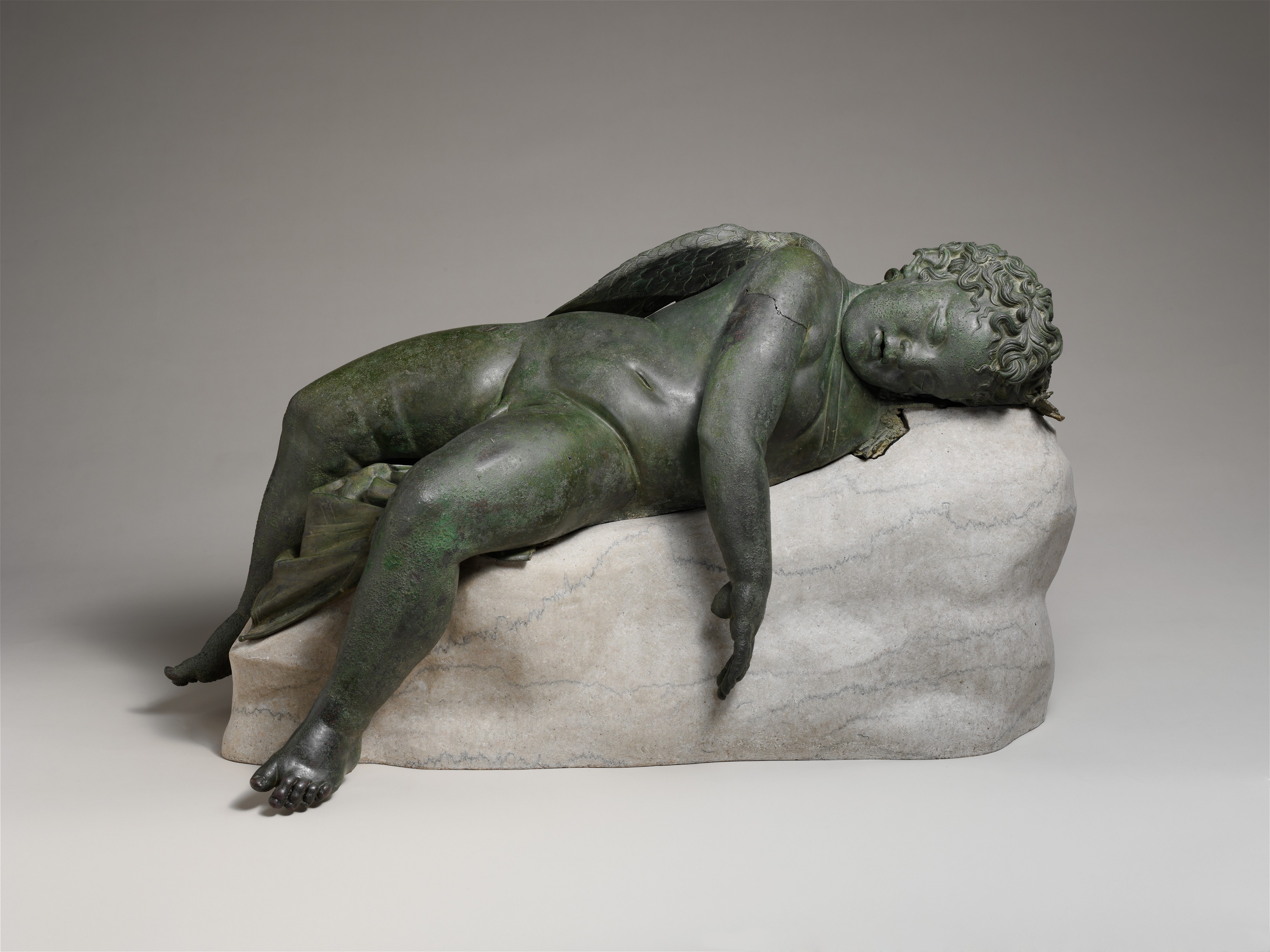
Uncover the Sleeping Eros statue, an extraordinary ancient Greek bronze masterpiece at the Metropolitan Museum of Arts. Explore its historical significance in this post.
