Prehistory to 1900
Art History TimelineWest and East, side by side
Western art beside the Chinese dynasties, period by period, and what became of that tradition.
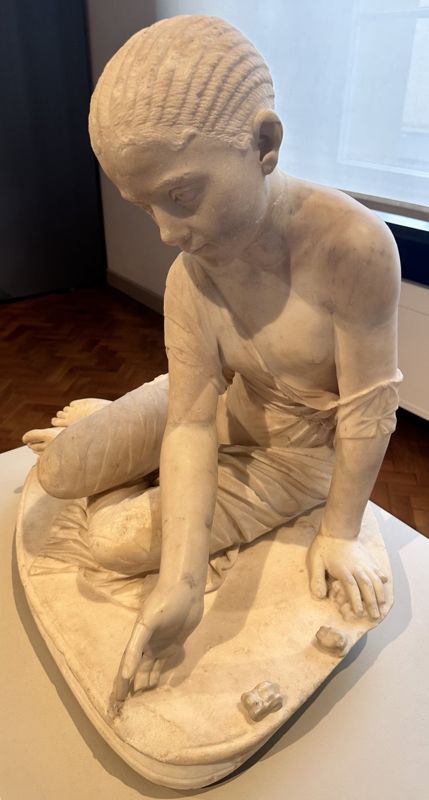
West · Rome
East · Gandhara
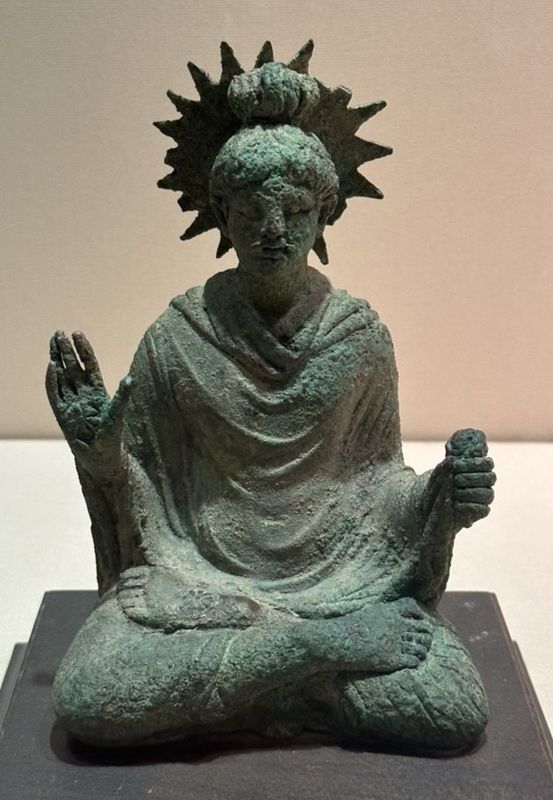
Same century. Two traditions.
Recently updated
Last updated 17 October 2026
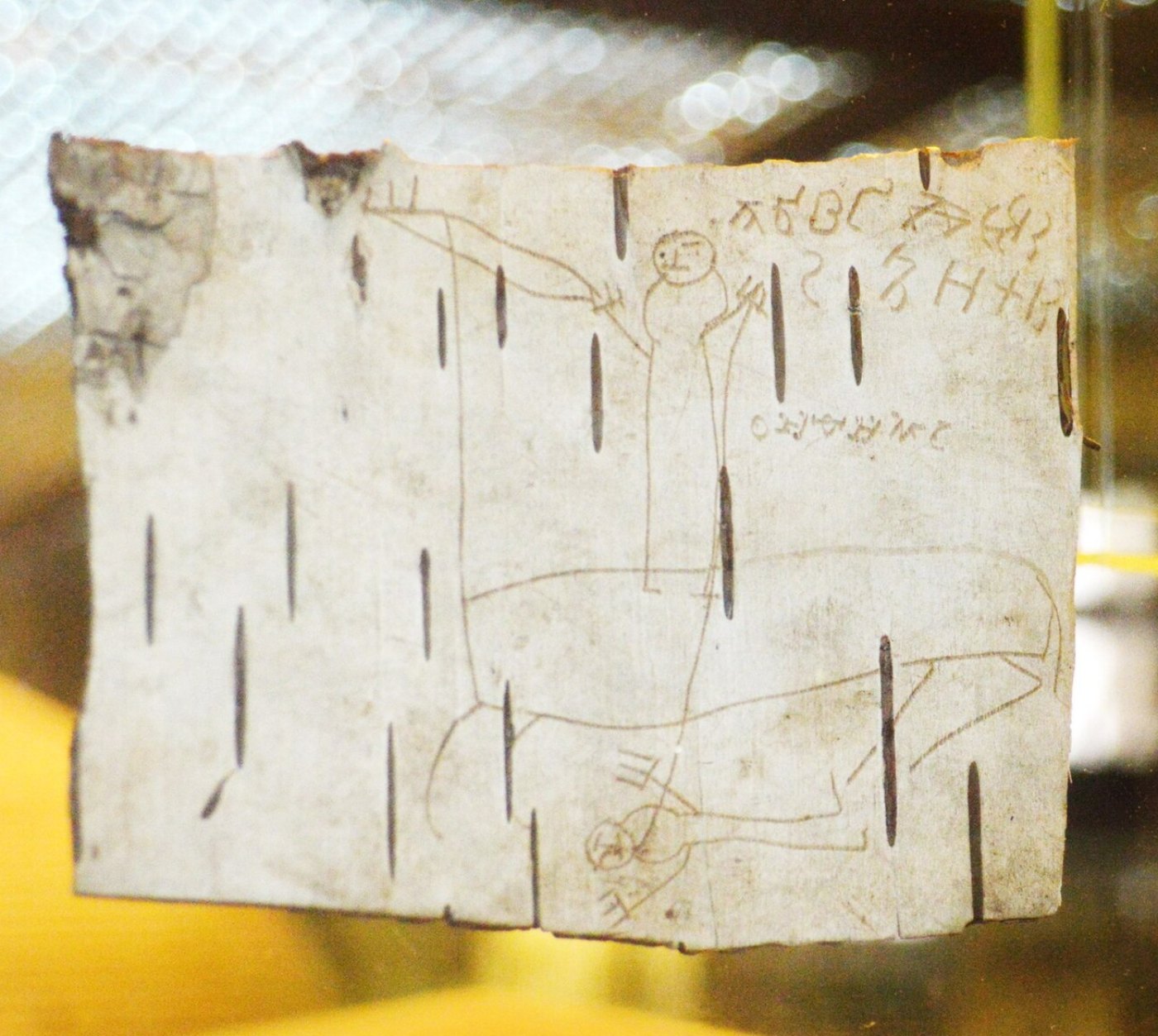
- 17 OctOnfim, a boy of Novgorod, and his birch bark drawing of the 13th century, join the Middle Ages
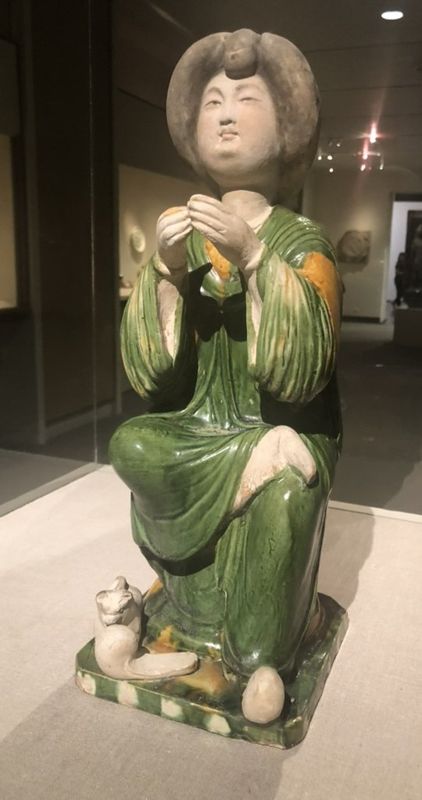
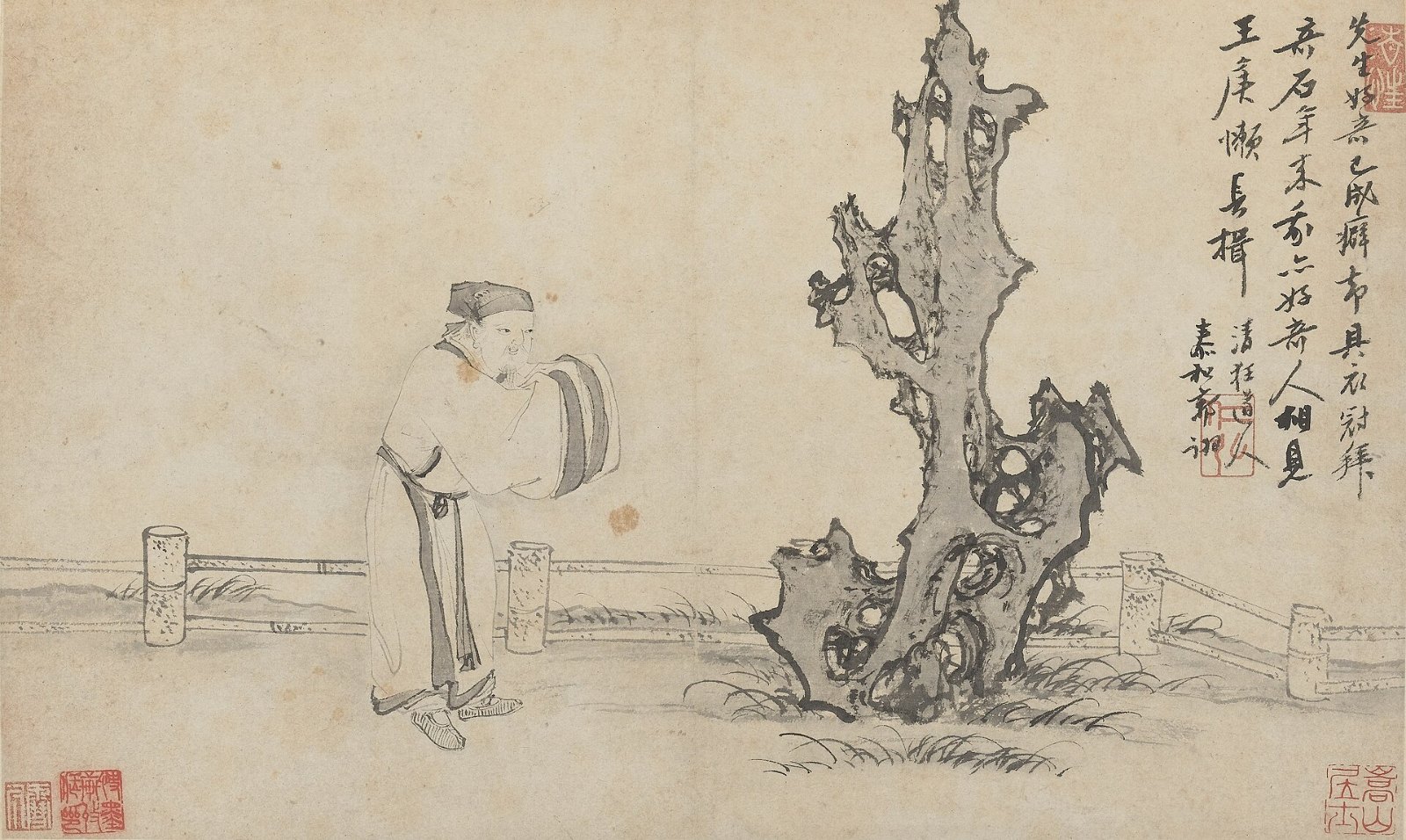
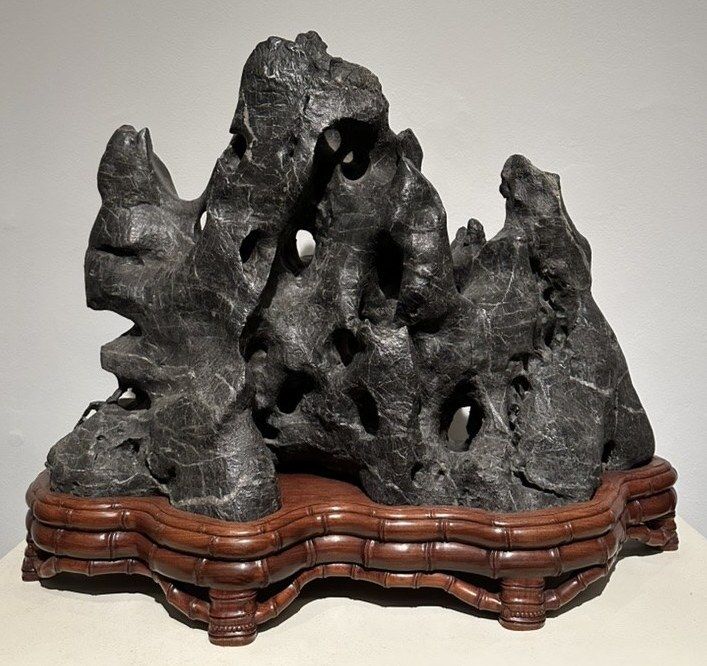
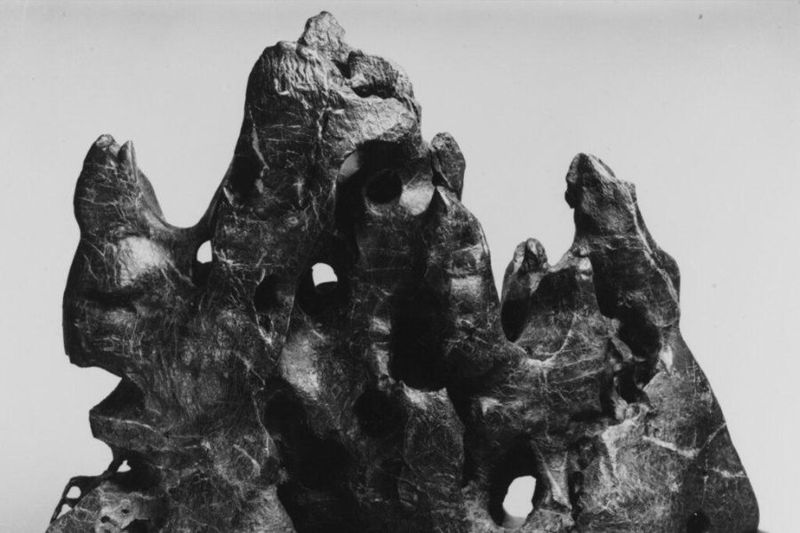
- 17 OctGuo Xu’s Mi Fu bowing to a rock, an album leaf of 1503, joins the Ming dynasty
- 17 OctAll the works in one line, the slide-by-slide timeline, now sits near the top
- 17 OctFound an error, or a different date? A way to tell me, at the foot of the page
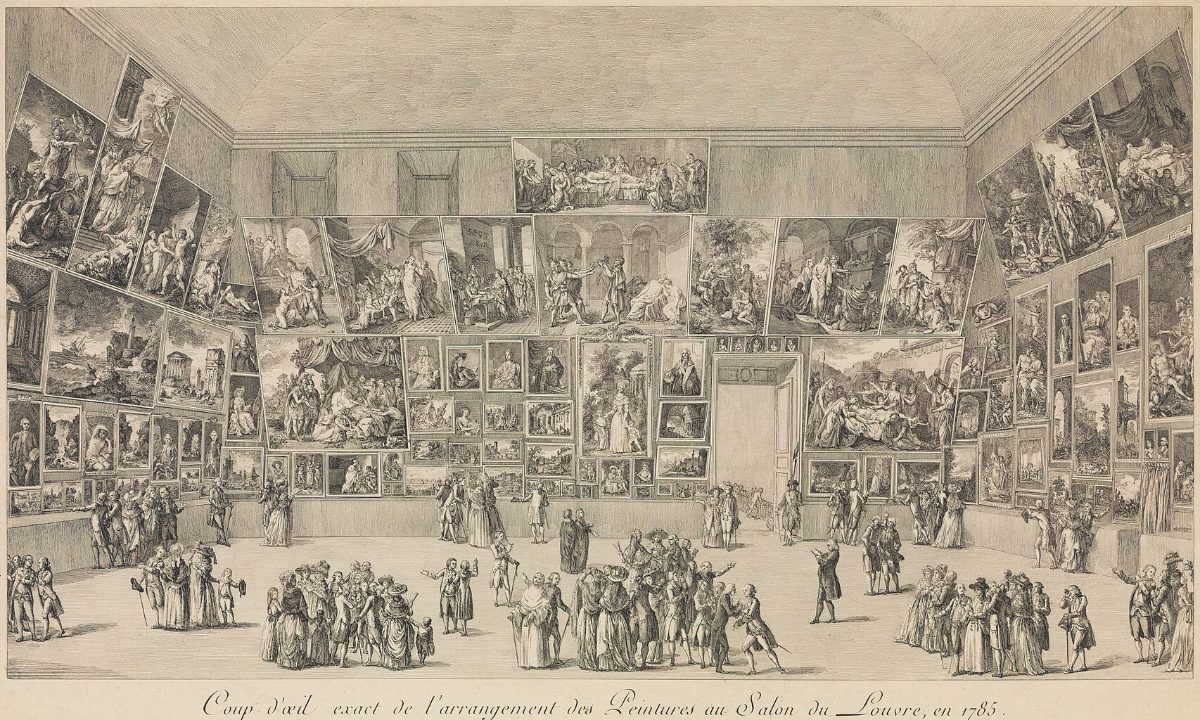
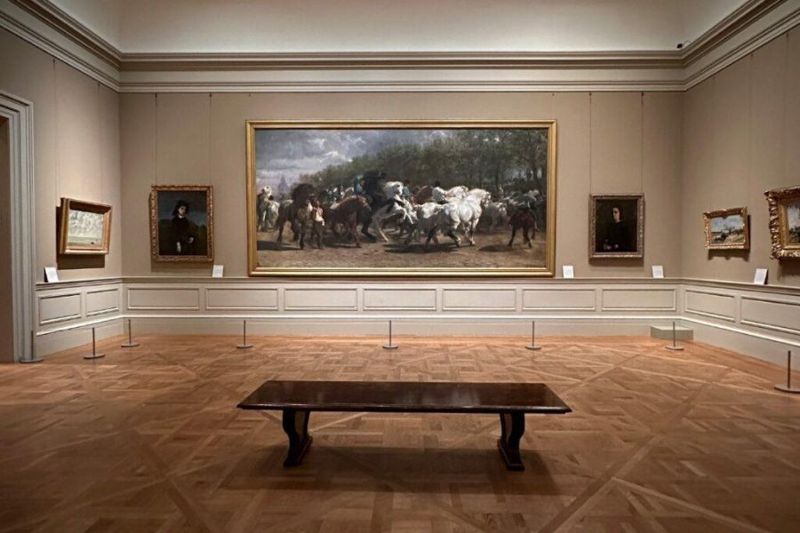
- 13 OctThe Salon of 1785: how paintings were hung in the Louvre, joins Neoclassicism
- 11 OctRaffaellino del Garbo’s round painting in Berlin now has its date, c. 1496–98
- 11 OctEvery period now has its own address, to share or bookmark
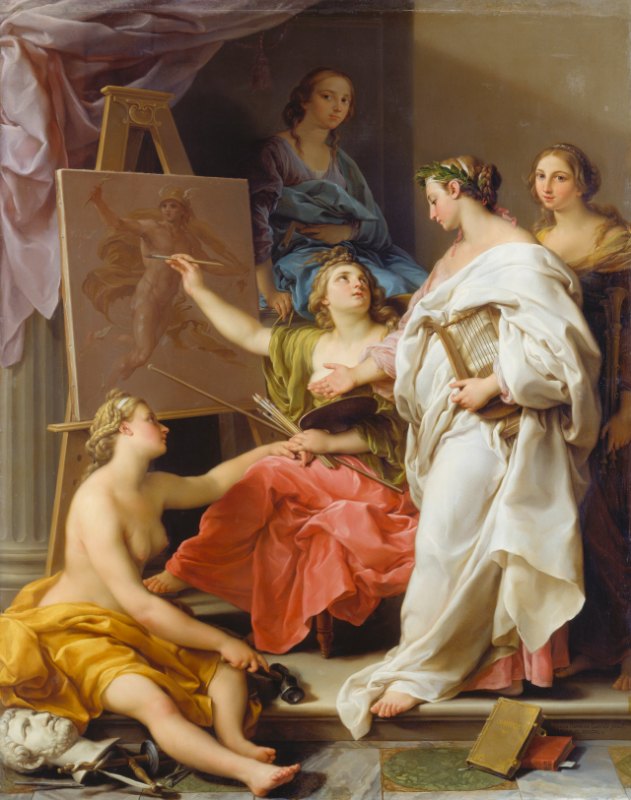
- 4 OctPompeo Batoni, Allegory of the Arts, 1740, joins the Baroque
I add works as I photograph them. For news of each addition, follow me on X.
What this art history timeline follows
This timeline sets the art of West and East side by side. It follows one thread in particular: how the great tradition of Western art came to rest in France, and what happened to it there.
I think of the great tradition of Western art as a light, handed from one keeper to the next. In the Renaissance it burned in Italy: in Florence and Venice, and then in Rome, where the Church commissioned its greatest works. From Italy it passed to France. Francis I brought Leonardo da Vinci to his court in 1516 and sheltered him until his death. Under Louis XIV, Paris became the centre of art, and the collections France built are among the finest in the world. France became the guardian of that flame.
That is why I give so much room to the Revolution of 1789, which destroyed a great deal of it. What it unleashed was a spirit of destruction, and I do not hesitate to call it evil: it set out to tear down what was sacred and beautiful. Like a poison, it did not stay where it began. From France it spread to Russia in 1917 and from there to China, where the Communist Party carried it into the Cultural Revolution. This is what I follow: the destruction of that light, which I understand as the Light of the Creator, through the destruction of art and culture. For the Creator is himself the first and greatest of artists. Vasari opens his Lives with God shaping the first man from clay, the first sculpture; Dante calls human art the grandchild of God. Man, made in his image, bears that same light of creation. I follow it into the present, in the ideas that still set themselves against that tradition.
That light was of course present in other times and other eras too: in Egypt, in Greece, in China, wherever art conveyed the spirit of its subject, as the Eastern tradition has always understood it. So for me art is more than images. Its beauty has a link to other realms. I can’t quite put that into words, but I feel it deep in my heart. It has been my own flame for as long as I can remember.
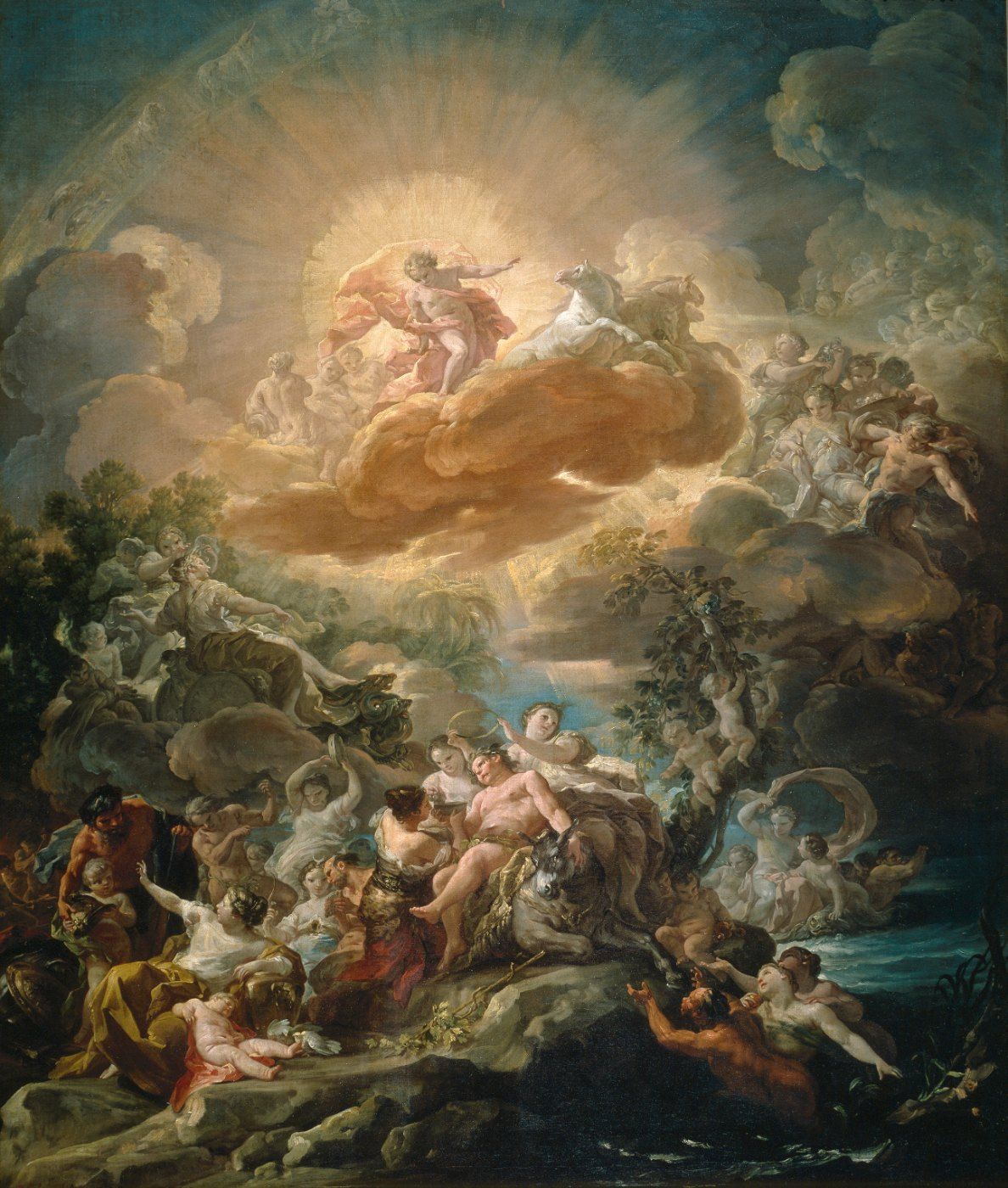
- Two traditions, side by side
- Eastern art conveys the spirit of its subject. Western art is built on precise, refined technique. They are two systems, each with its own foundation, so I show them in two rows and two columns and do not merge them.
- Where they met
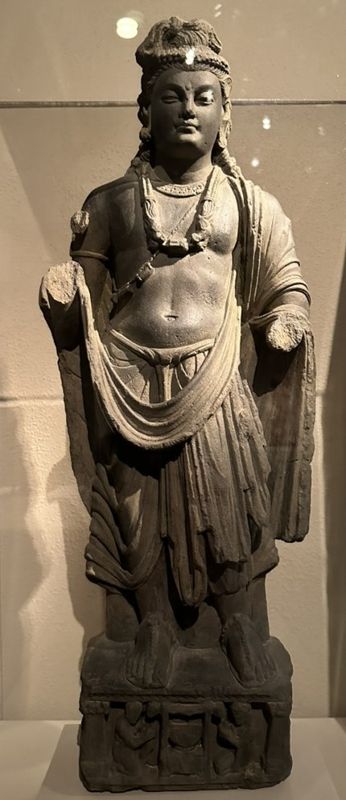
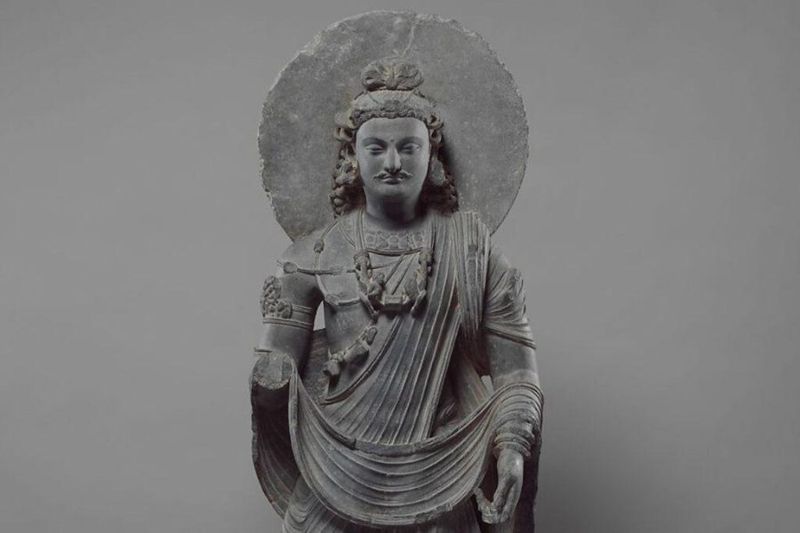
- Greek sculpture influenced the first images of the Buddha. My essay on the Gandharan Buddha of the Future looks at that meeting.
- What was lost?
- Art carries more than a culture. It carries its spiritual life: what a people held sacred. When it is destroyed, how much of that memory goes with it? Much of what we call Greek sculpture is known only through Roman copies. What else was there that no one copied?
- Where I stop
- With Impressionism and abstraction, art turned away from that tradition. The timeline ends at 1900, where that turn begins, and marks in red the breaks that came before and after.
One thread, from Paris to Beijing
The four breaks marked in red on this page are one story. Each revolution took the one before it as its model.
- 1789The French RevolutionRoyal statues, tombs and churches are destroyed. The Academy is abolished.
- 1871The Paris CommuneLooking back to 1789, the Commune burns the Tuileries and the Hôtel de Ville.
- 1917The Russian RevolutionLenin takes the Commune as his model. Palaces are ransacked and treasures sold abroad.
- 1966–1976The Cultural RevolutionThe party founded on the Soviet model sets out to destroy the “Four Olds”.
All the works in one line
Open the slide timelineEvery work on this page, from the first stone tools to 1900, West on one row and East on the other. Step through them one by one.
West on one row, East on the other. Use the arrows, or pick a marker on the strip.
The timeline of art history, West and East
West on the left, East on the right, one period per row. The breaks are in red.
About 210 million years ago
Before anything on this timeline
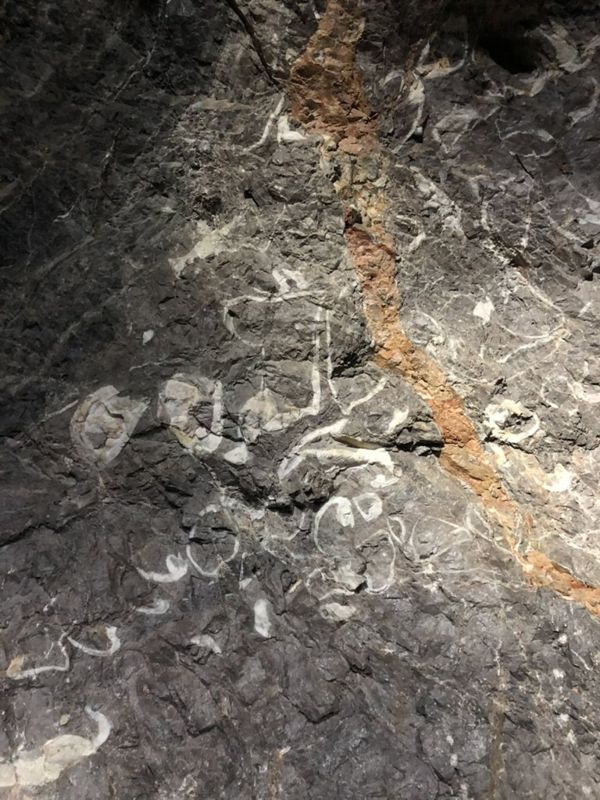
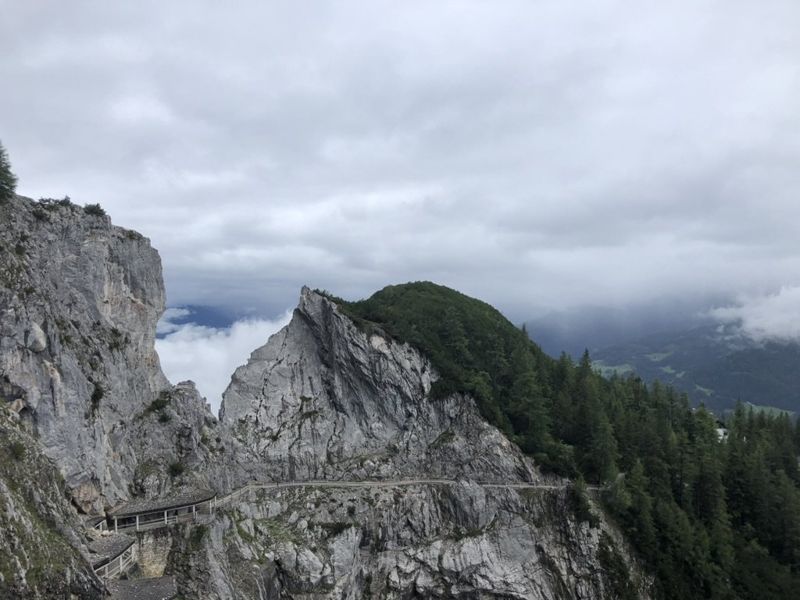
Megalodons: giant sea shells, fossilised in Dachstein limestone. They lived in a warm, shallow, tropical sea in the Upper Triassic. Mountain people called their outlines Kuhtritte, cow hoof prints, taking them for the tracks of cattle turned to stone.
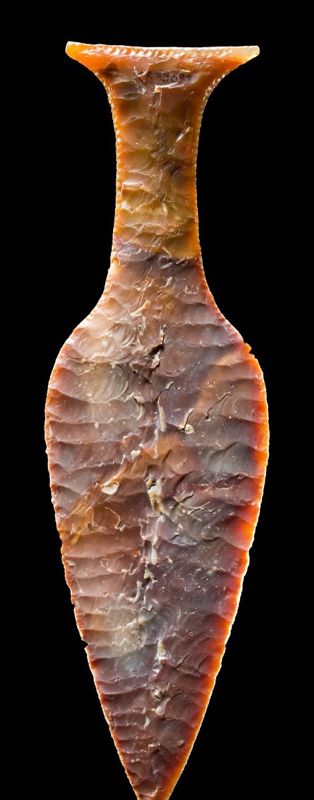
before 3000 BC
West
Prehistory
East
Chinese dynasties
Before the first dynasties
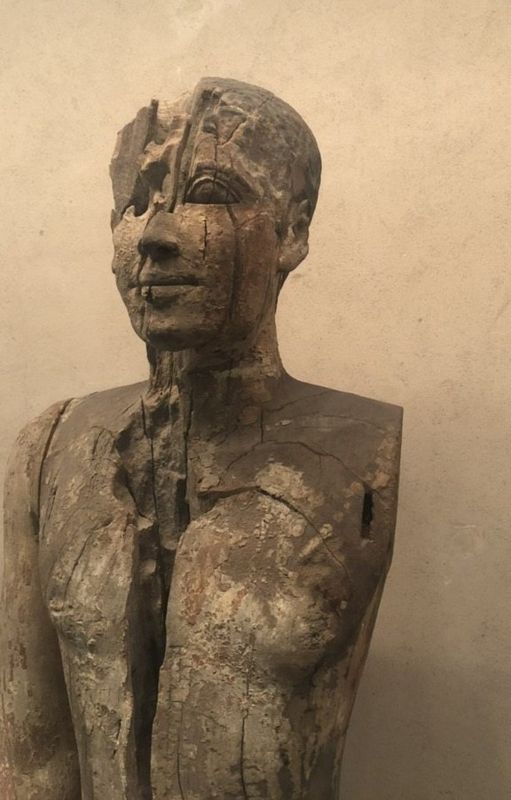
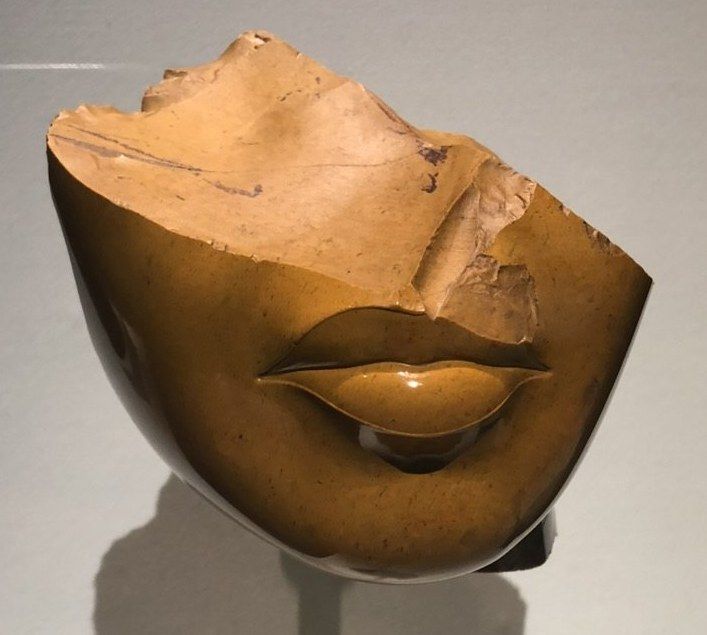
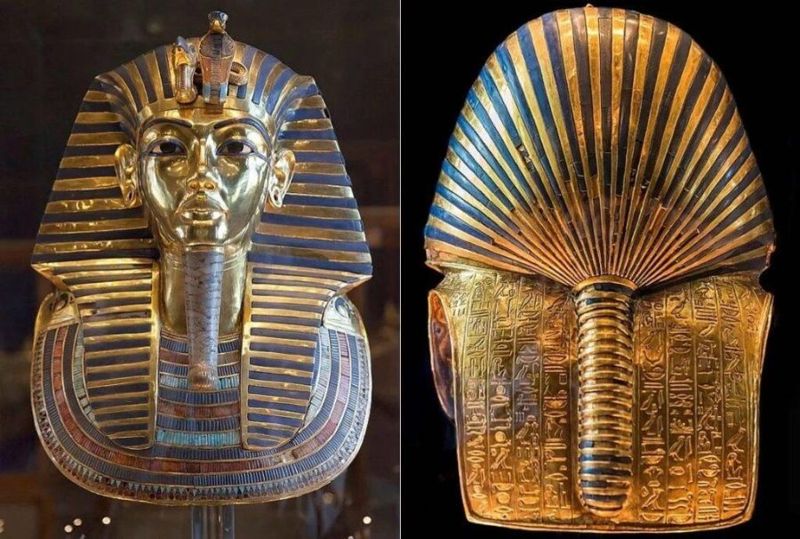
3000–800 BC
West
Ancient Egypt
Winckelmann Egyptian: older style
East
Chinese dynasties
- Shang c. 1600–1046 BC
- Zhou 1046–256 BC
800–146 BC
West
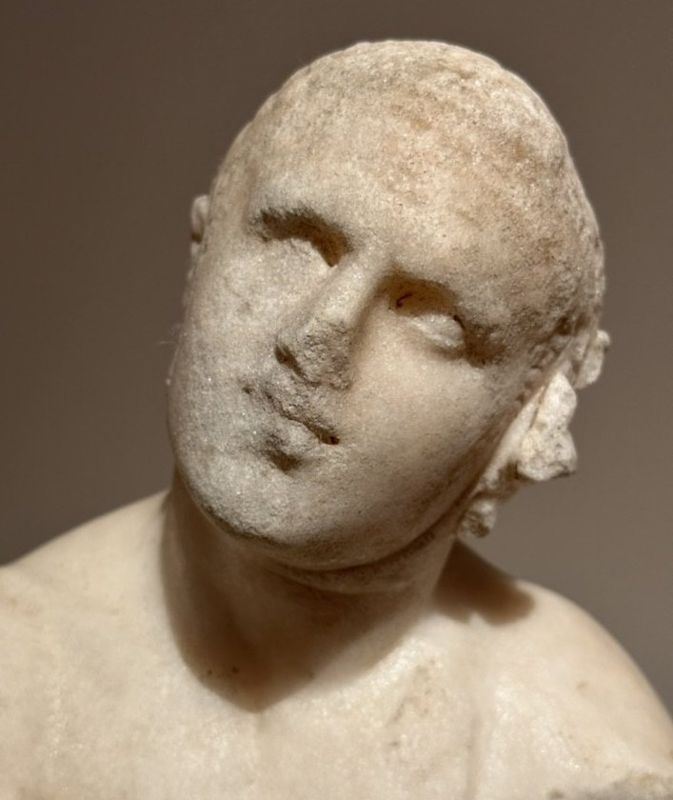
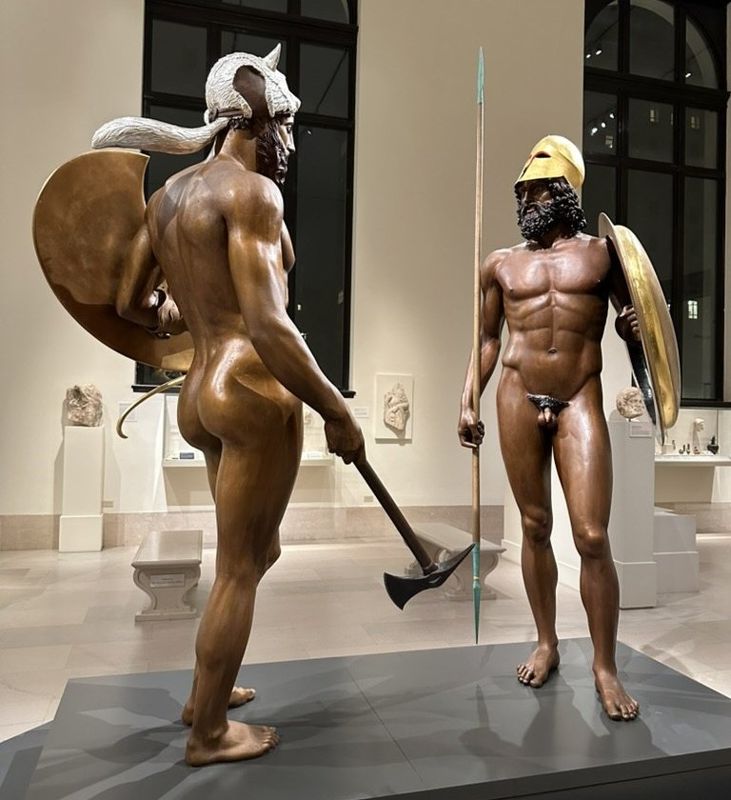
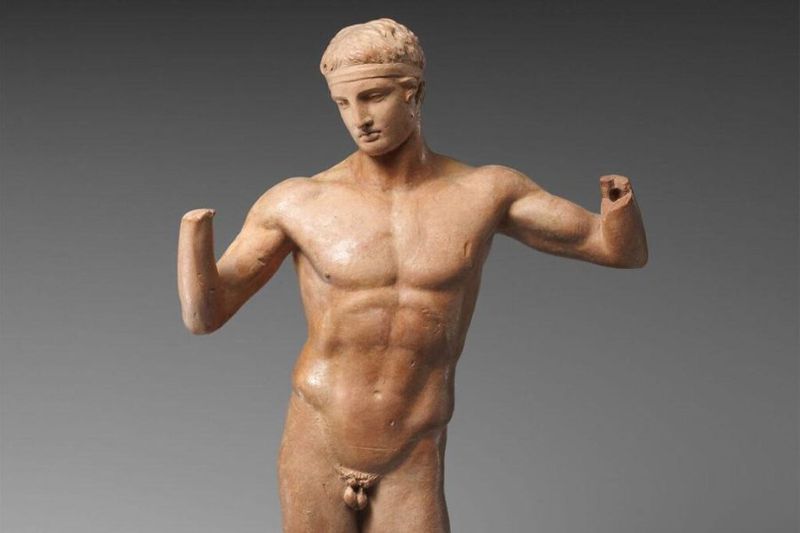
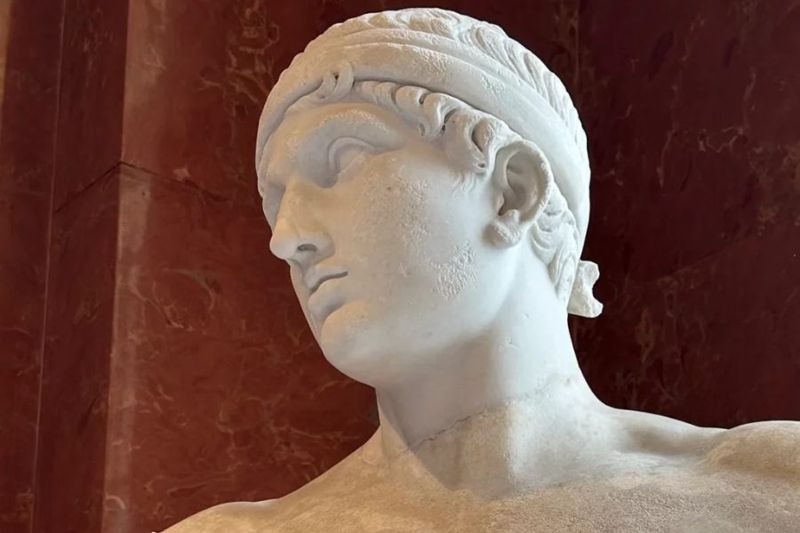
Ancient Greece
Winckelmann Greek: older, high and beautiful styles
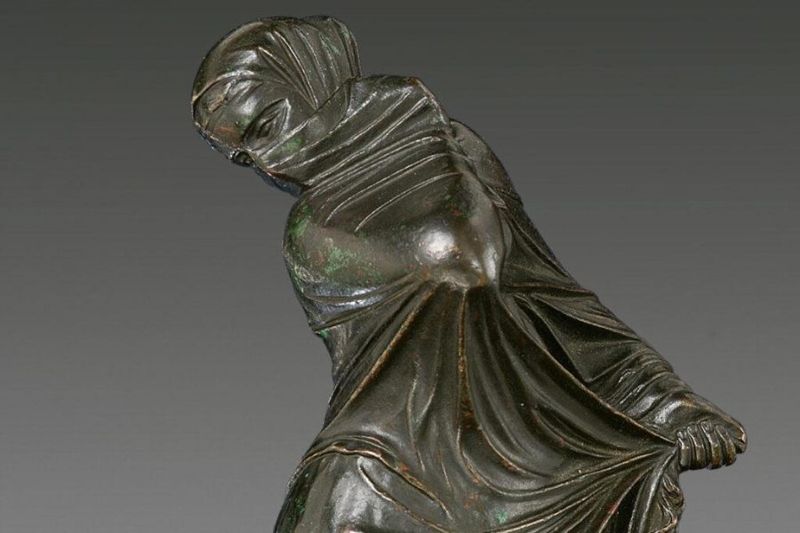
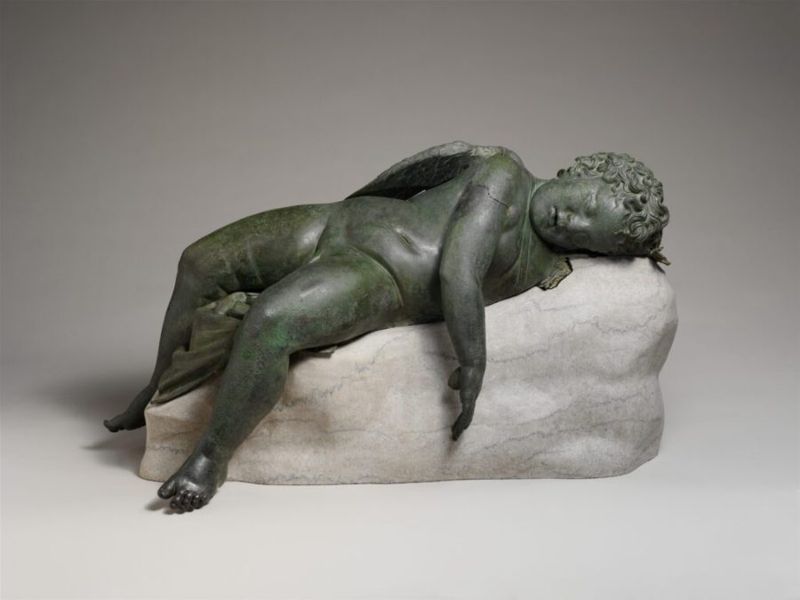
East
Chinese dynasties
- Zhou 1046–256 BC
- Qin 221–206 BC
- Han 206 BC–AD 220
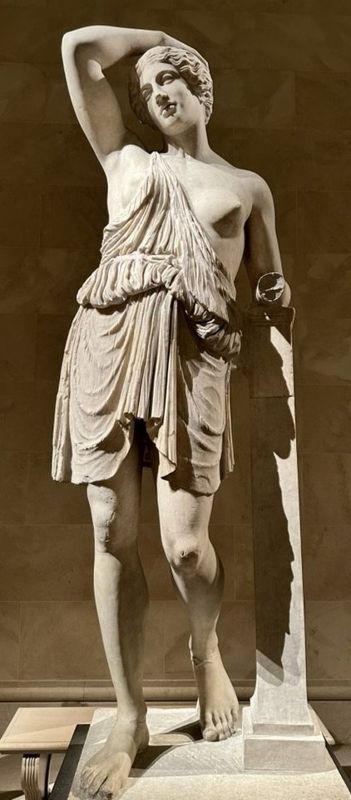
146 BC–AD 476
West
Rome
Winckelmann Greek: style of the imitators
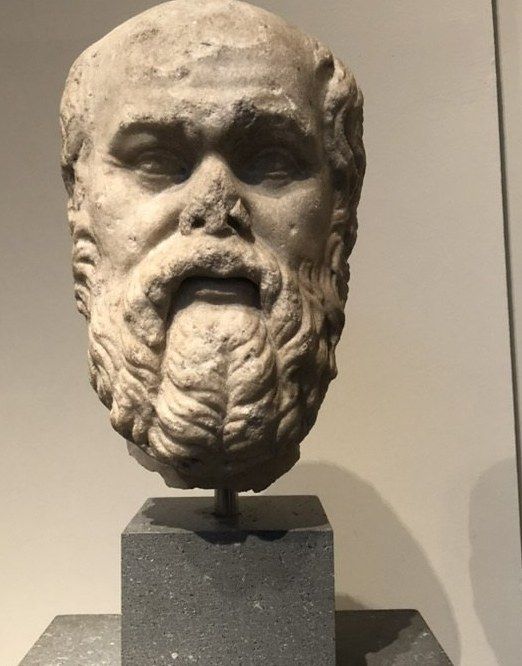
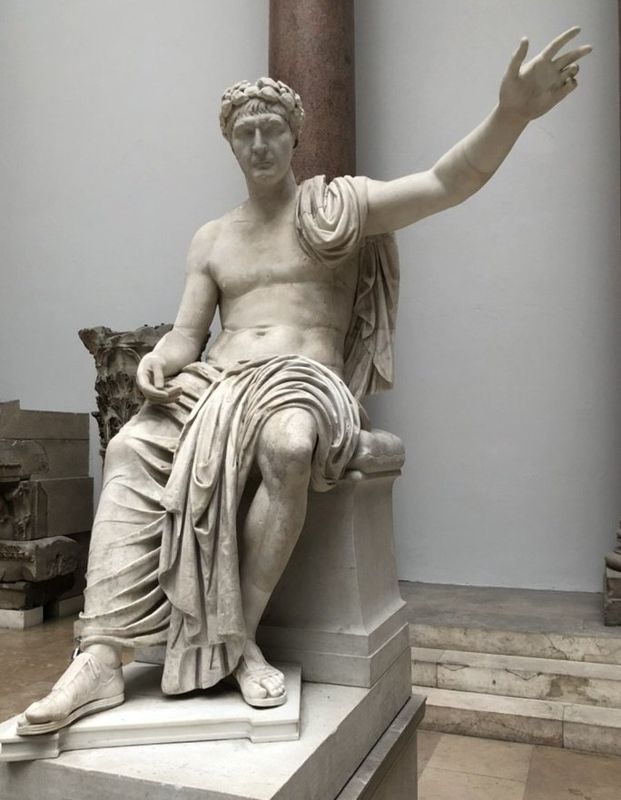

East
Chinese dynasties
- Han 206 BC–AD 220
- Six Dynasties 220–589

476–1400
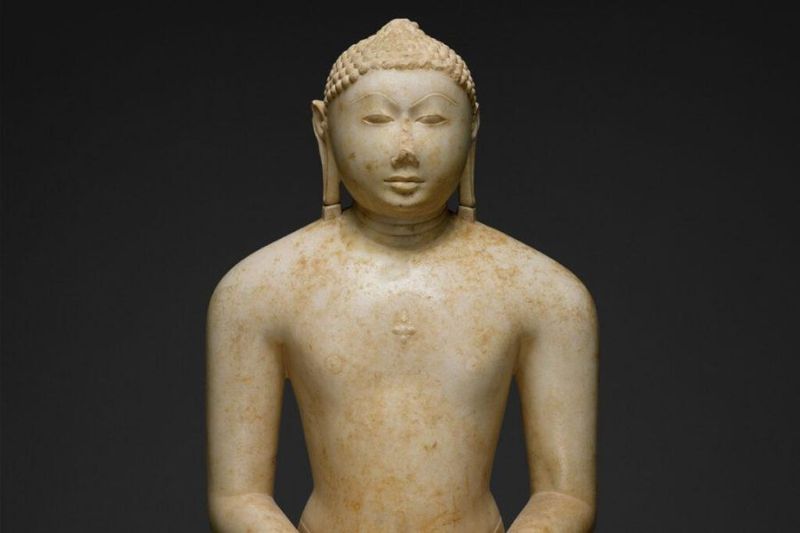
West
Middle Ages
Winckelmann No stage in his scheme
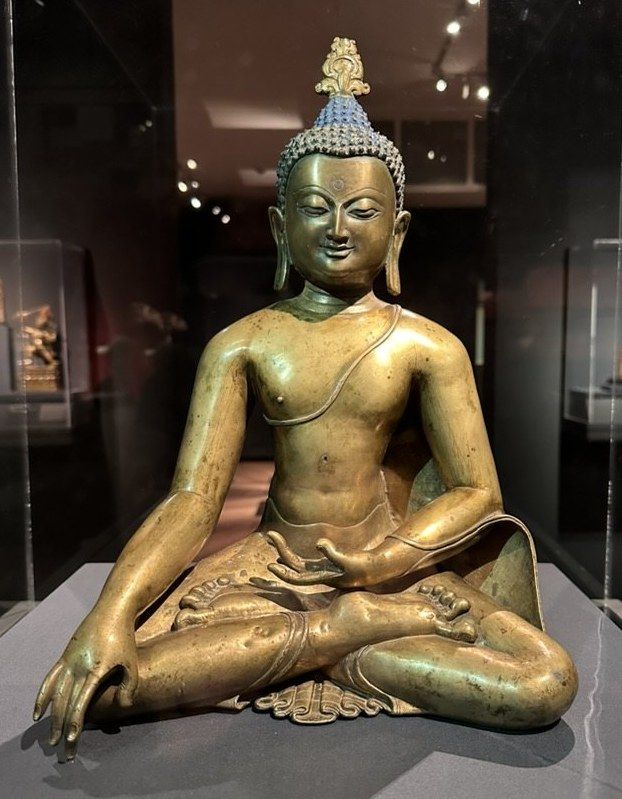
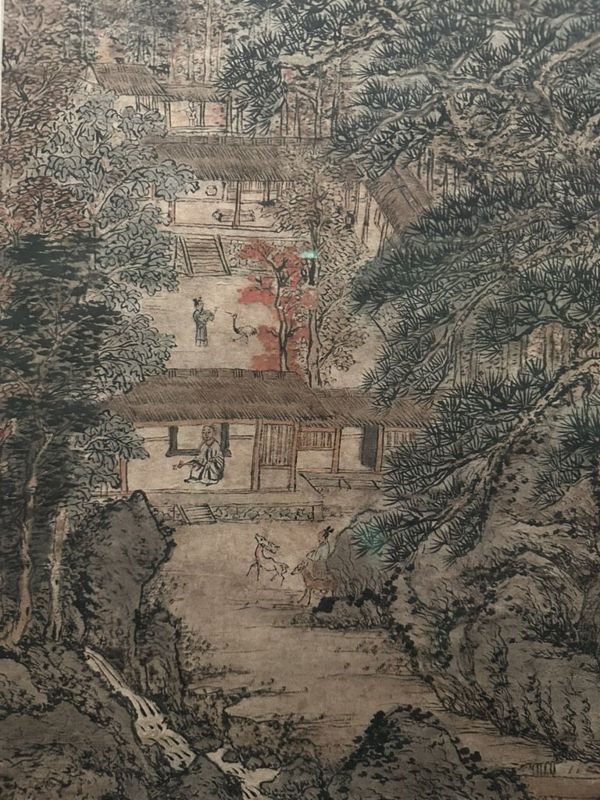
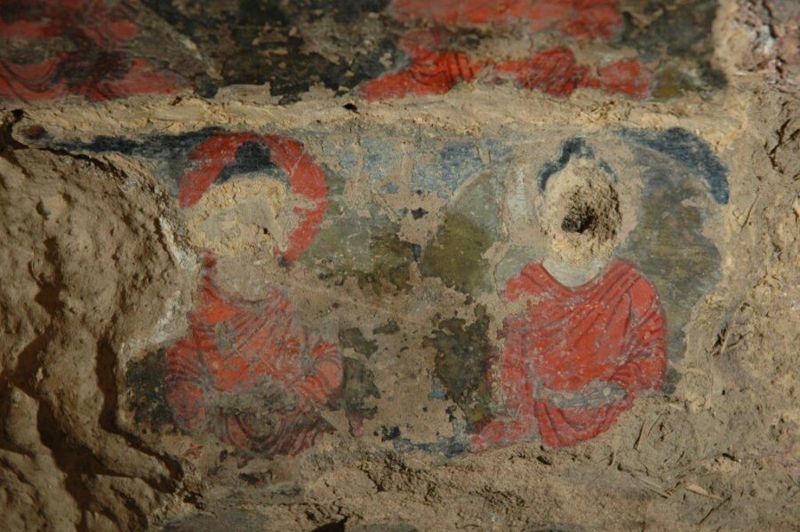
East
Chinese dynasties
- Six Dynasties 220–589
- Sui 581–618
- Tang 618–907
- Five Dynasties 907–960
- Song 960–1279
- Yuan 1271–1368
- Ming 1368–1644
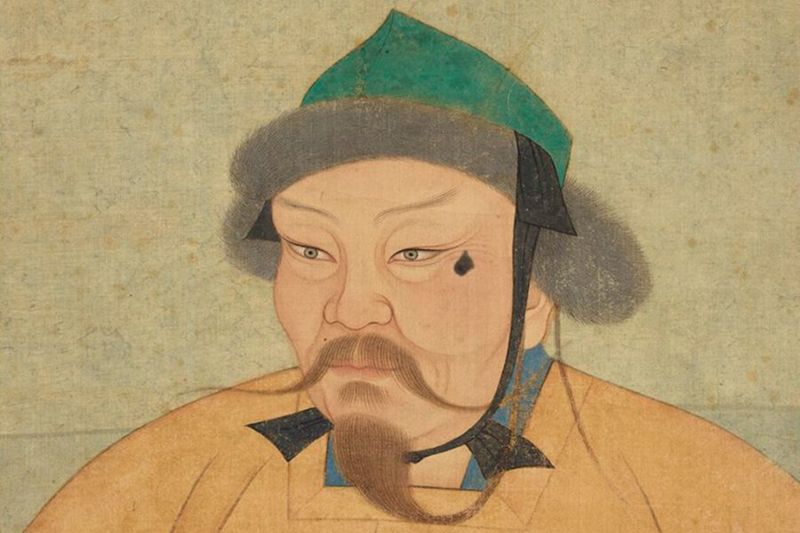
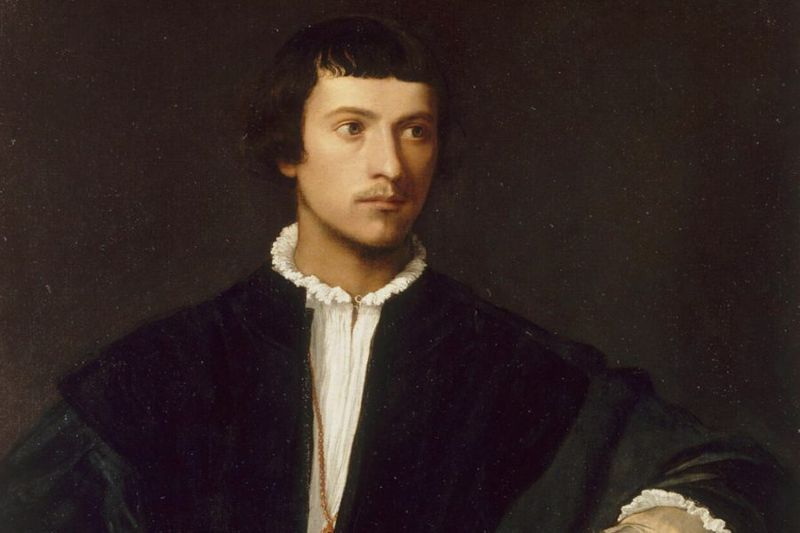
1400–1600
West
Renaissance
Winckelmann Modern: dry and stiff, then the height (Michelangelo and Raphael)
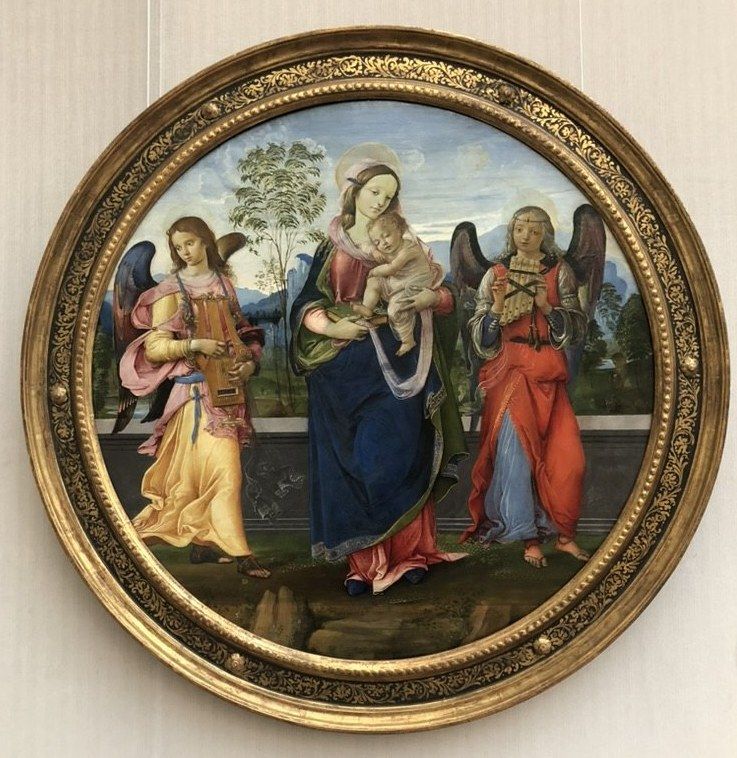
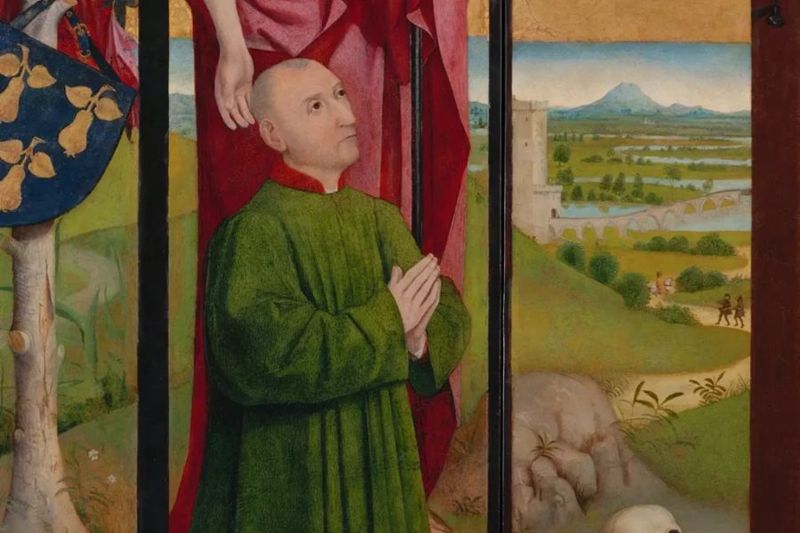
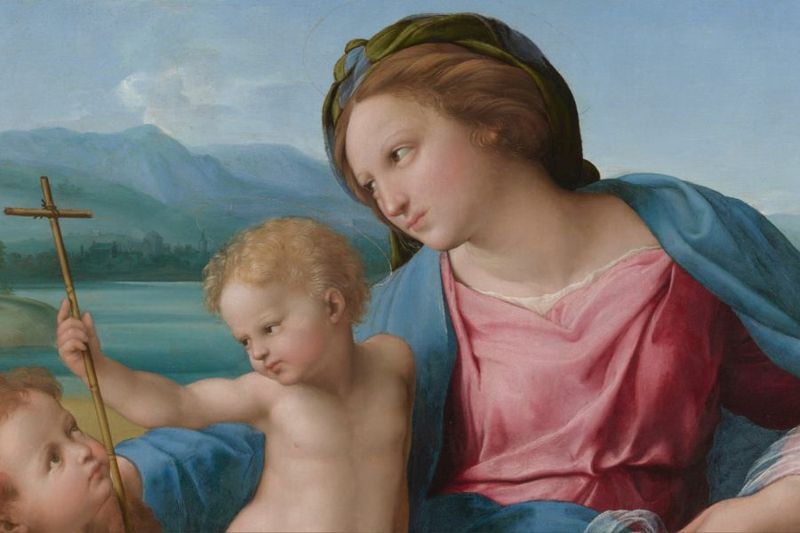
East
Chinese dynasties
- Ming 1368–1644
1600–1750
West
Baroque and Rococo
Winckelmann Modern: the imitators (the Carracci to Maratta)
Paris becomes the centre of art
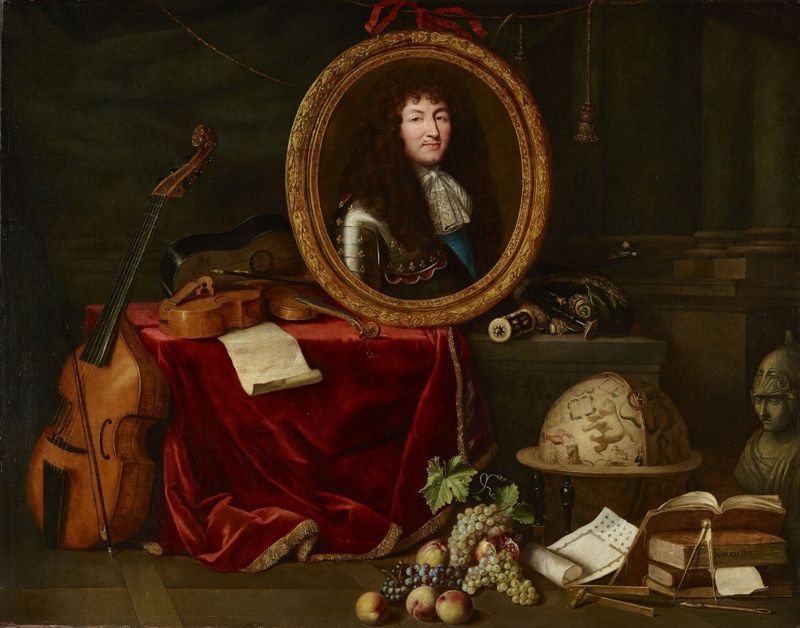
Under Louis XIV the centre of Western art moved from Rome to Paris. The crown took the arts in hand: an academy to train artists, a French school in Rome to study the ancients, and the Salon to show the results. For the next two centuries, artists across Europe looked to Paris.
- 1648
- The Royal Academy of Painting and Sculpture is founded in Paris.
- 1661–1664
- Colbert takes charge of the Academy for Louis XIV, with Charles Le Brun at its head.
- 1666
- The French Academy in Rome is founded.
- 1667
- The first Salon is held.
- 1725
- The Salon settles in the Salon Carré of the Louvre.
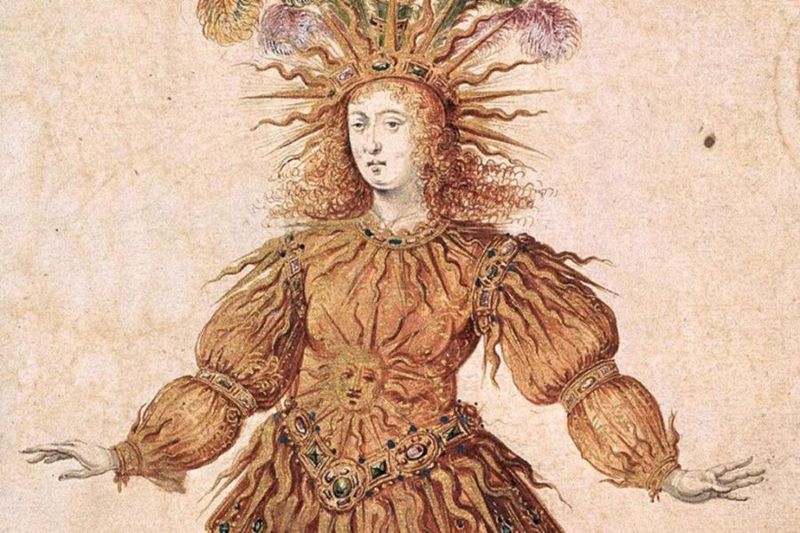
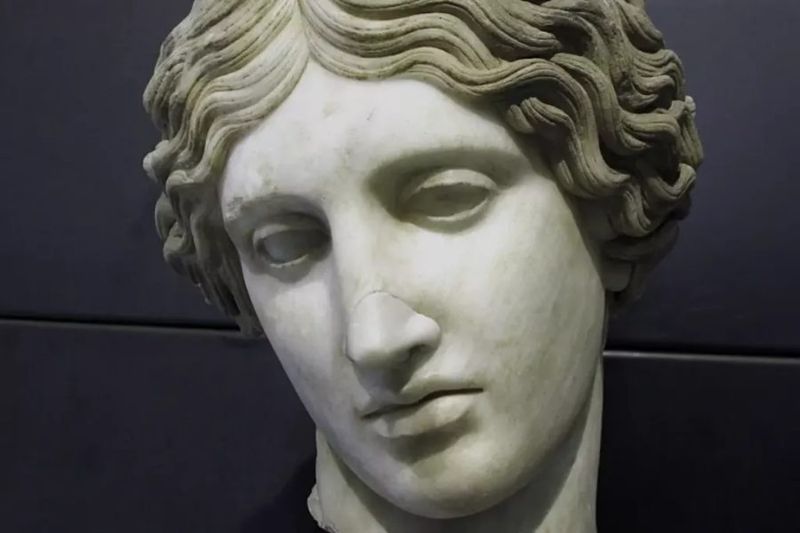
 1653Louis XIV as Apollo in “Ballet de la Nuit” (1653): A Symbol of Absolute Monarchy
- 1683Timeless Bodies: Measuring and Capturing Ancient Beauty
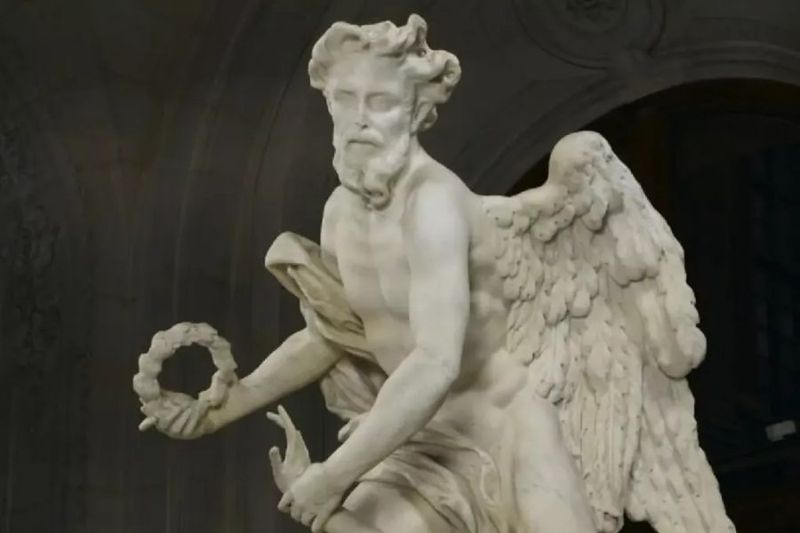
- Late 17th centuryExploring “Time Lifting up Virtue and the Arts” Sculpture at the Louvre
 1740Pompeo Batoni, Allegory of the ArtsStädel Museum, Frankfurt
East
Chinese dynasties
- Ming 1368–1644
- Qing 1644–1911
1750–1789
West
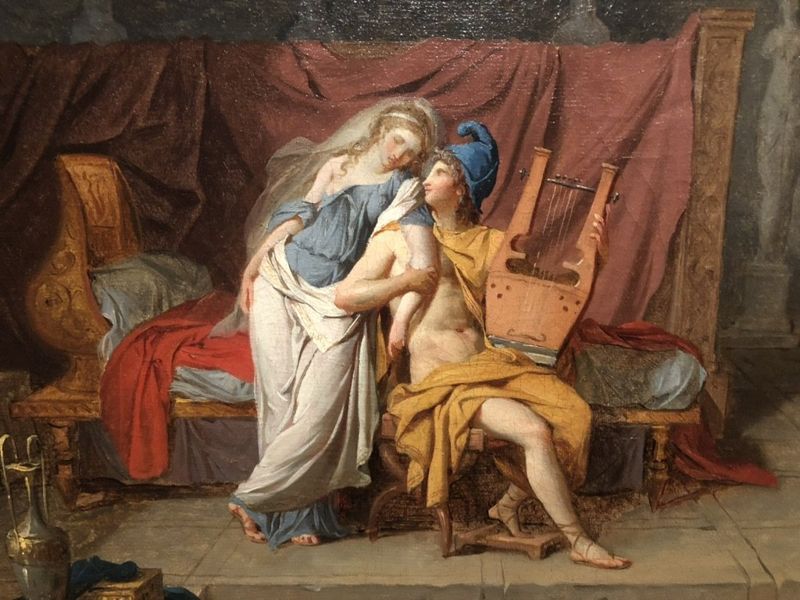
Neoclassicism
Winckelmann After his scheme; his History appears in 1764
East
Chinese dynasties
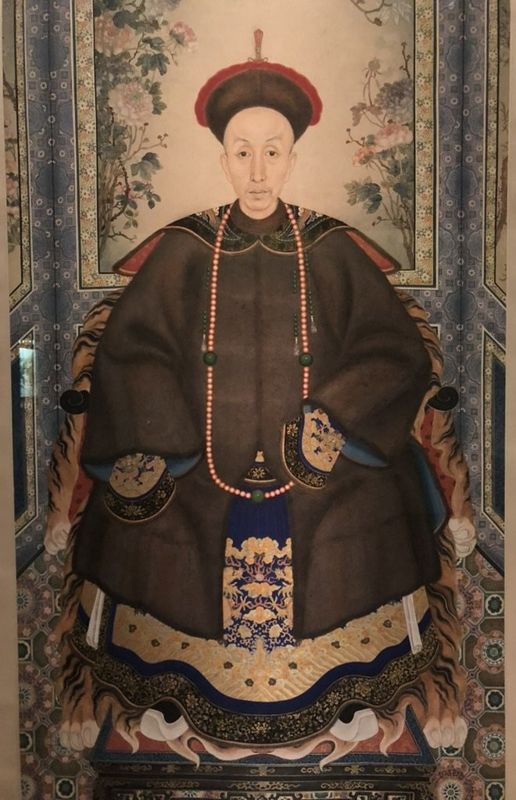
- Qing 1644–1911
1789
The French Revolution
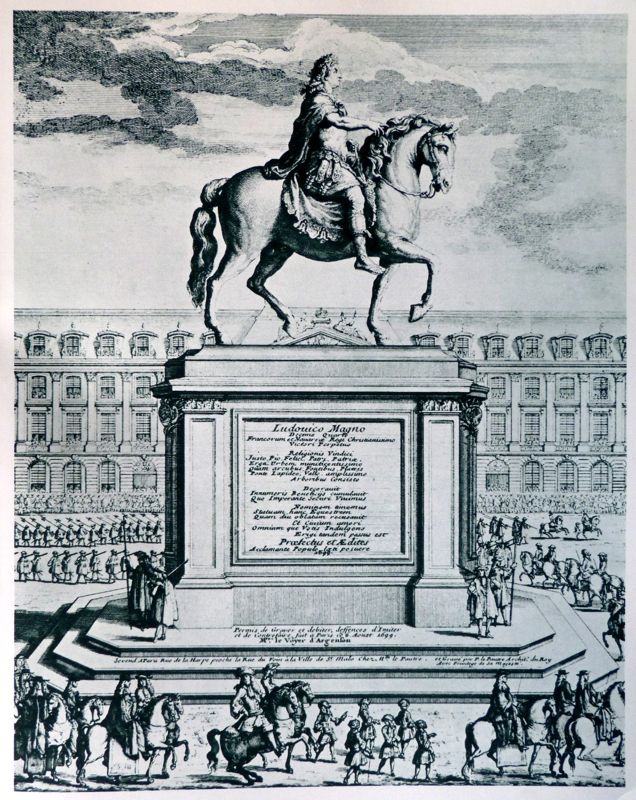
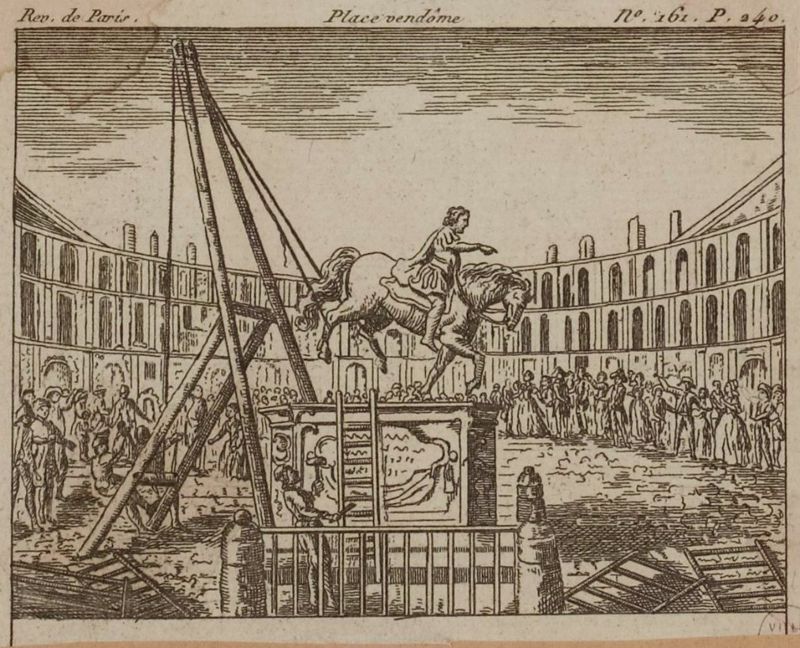
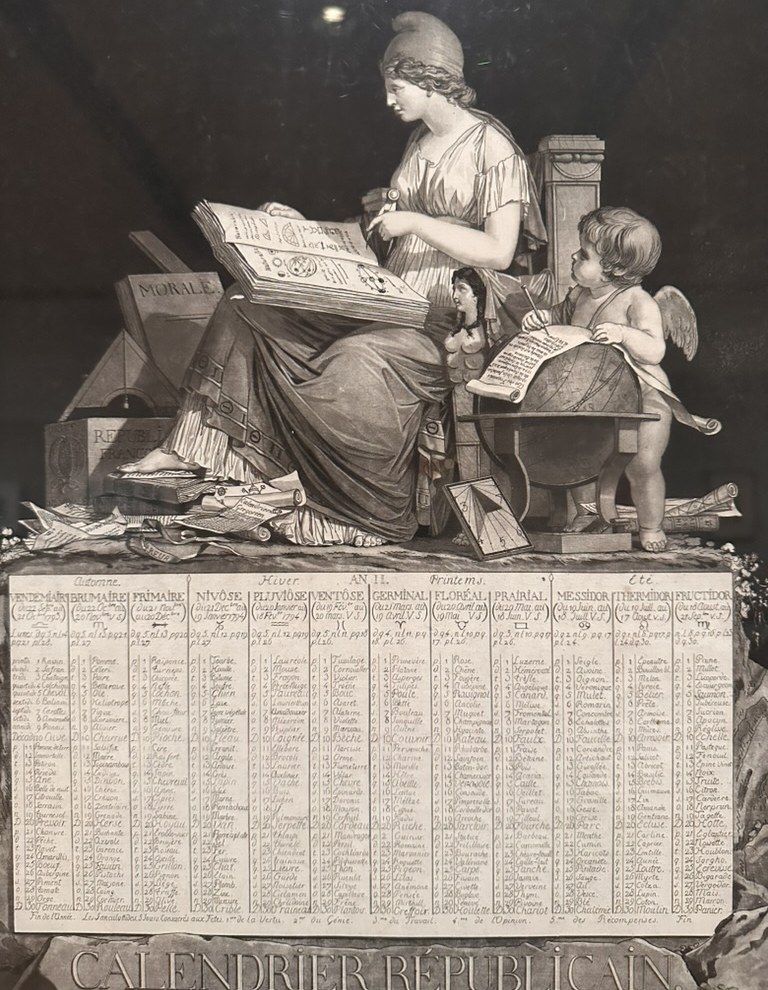
For centuries the art of the West had served church and crown and looked back to the ancients. The Revolution turned on that art. In August 1792 the royal statues of Paris were pulled down and melted, Girardon’s great bronze of Louis XIV among them. In 1793 the royal tombs at Saint-Denis were broken up and the kings of Notre-Dame were thrown from its front. The word “vandalism” was coined in these years to name what was happening.
- 14 July 1789
- The Bastille is stormed, then taken down stone by stone.
- August 1792
- The Assembly orders the monuments of the monarchy destroyed.
- 11–13 August 1792
- The statue of Louis XIV in the Place des Victoires is pulled down.
- 12 August 1792
- Girardon’s equestrian Louis XIV, cast in 1692 and raised in the Place Vendôme in 1699, is destroyed. Only the left foot survives, in the Musée Carnavalet.
- 1 August 1793
- The Convention orders the royal tombs destroyed. At Saint-Denis 47 tombs are dismantled that month; in October more than 170 bodies are dug up.
- 8 August 1793
- The Royal Academy of Painting and Sculpture is abolished.
- 5 October 1793
- The Republican calendar replaces the Gregorian. Its religious and royal references are purged, and the years are counted from the founding of the Republic. It stays in use until 1805.
- 23 October 1793
- The Paris Commune orders the 28 kings of Notre-Dame brought down. Twenty-one of the heads were found in 1977 and are in the Musée de Cluny.
- 31 August 1794
- The Abbé Grégoire denounces the “vandalism” before the Convention.
My essay From Revolutionary Art Back to Uplifting Masterpieces looks at that break.
1789–1900
West
After the Revolution
East
Chinese dynasties
- Qing 1644–1911
1871
The Paris Commune
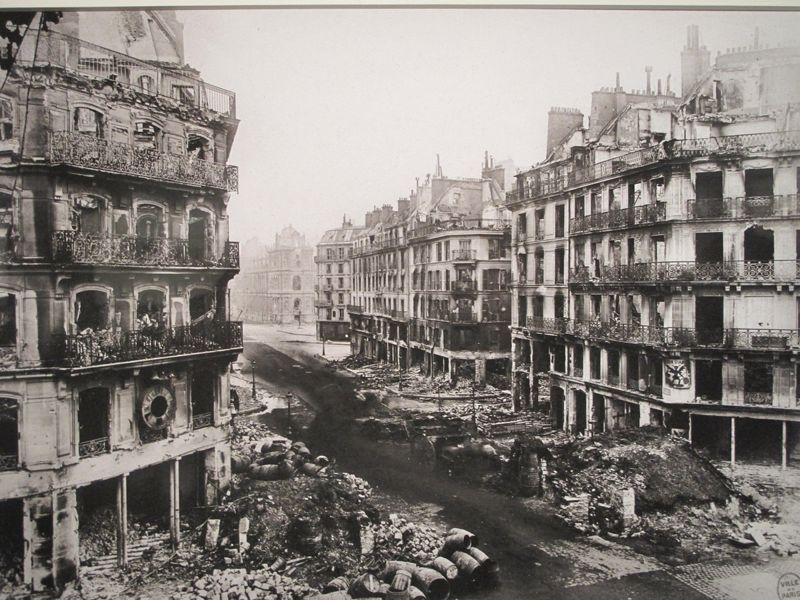
It has been called the first communist revolt. For ten weeks in the spring of 1871 the Commune held Paris. In its last days its National Guard set fire to the great buildings of the city. The Tuileries Palace and the Hôtel de Ville burned, and the library of the Louvre was destroyed. The fires at the Louvre itself and at Notre-Dame were put out in time.
- 18 March 1871
- The Commune takes Paris.
- 16 May
- The Vendôme Column is pulled down.
- 23 May
- The Tuileries Palace is set on fire.
- 24 May
- The Hôtel de Ville is burned.
- 28 May
- The Commune falls.
After 1900
The timeline stops at 1900. Two later breaks are shown here, one on each side, because each did to its tradition what 1789 began in the West.
Each led to the next. The Paris Commune of 1871 looked back to 1789. Lenin took the Commune as his model for the Soviet state in 1917. The Chinese Communist Party was founded in 1921 with the backing of the Soviet-led Communist International; it took power in 1949 and launched the Cultural Revolution in 1966.
West
The Russian Revolution
1917
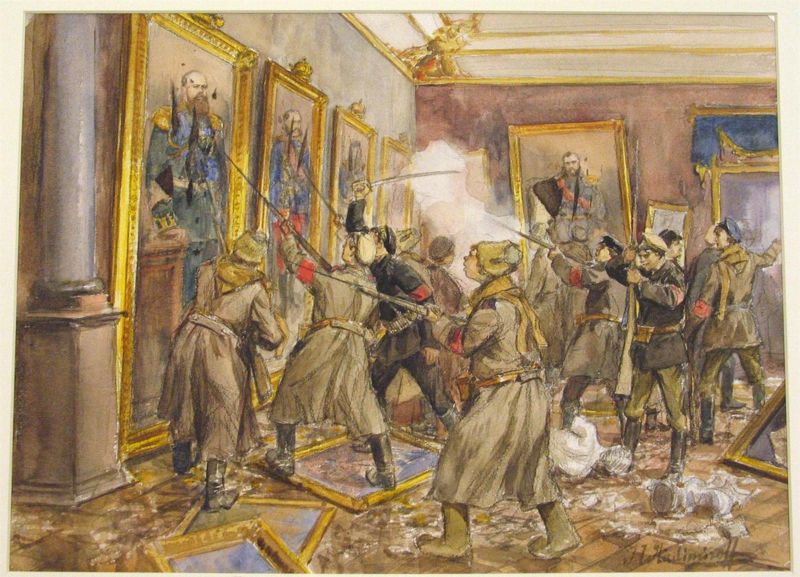
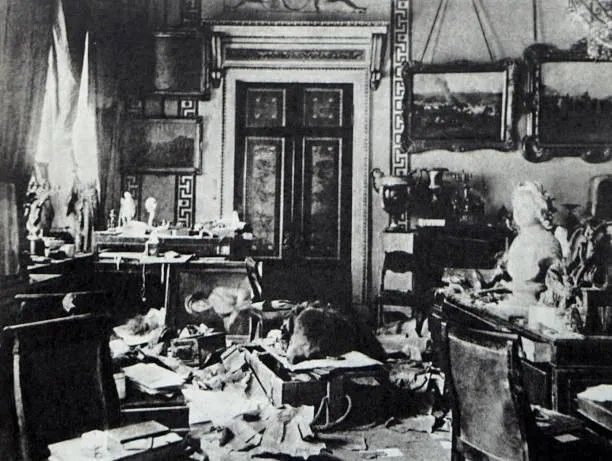
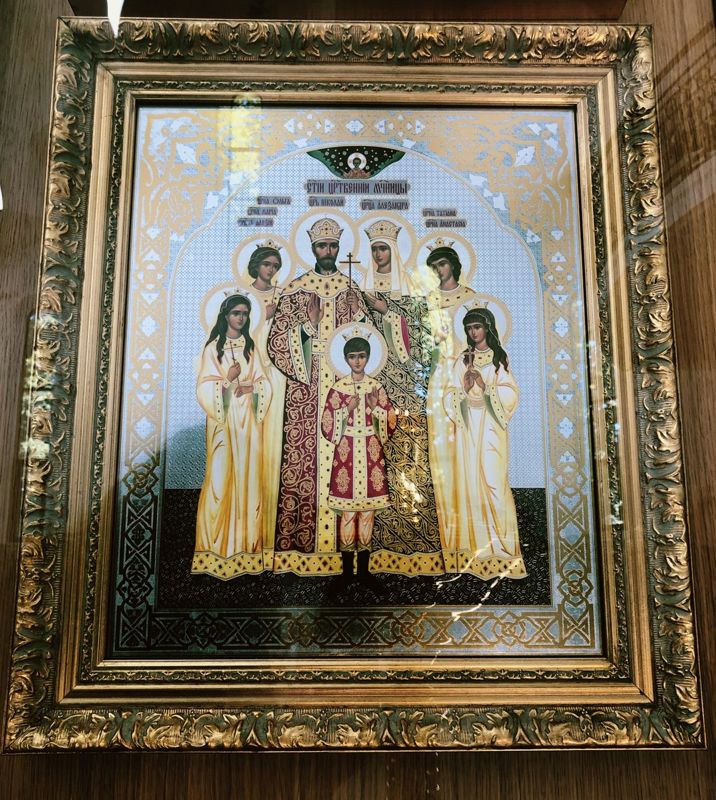
The Russian revolutionaries looked to France: Lenin took the Paris Commune of 1871 as his model. After 1917 the Bolsheviks seized the imperial collections, the palaces and private houses, and in 1922 stripped the churches of their gold and silver. Under the Red Terror, and later under Stalin, clergy, collectors and artists were shot or sent to the camps. To pay for industry the Soviet state then sold the treasures abroad: about 250 paintings from the Hermitage and some fourteen imperial Fabergé eggs. Many of them reached America.
When the Winter Palace fell, the private apartments of the Tsar’s family were ransacked. An eyewitness wrote of pictures ripped from their frames with bayonets, the library forced open, and desks, pictures and ornaments destroyed. The Tsar, his wife and their five children were shot in July 1918. The Orthodox Church now venerates them as saints.
- 1917
- Revolution. The imperial treasures are confiscated and taken to the Kremlin.
- 25 October 1917 (7 November, new style)
- The Winter Palace is stormed. The Tsar’s private apartments, his study among them, are ransacked.
- 17 July 1918
- Nicholas II and his family are killed at Yekaterinburg.
- 1918
- The Red Terror begins.
- 23 February 1922
- A decree orders the seizure of church valuables.
- 1928–1934
- Hermitage paintings are sold abroad. Andrew Mellon buys 21; they are now in the National Gallery of Art, Washington.
- 1930–1933
- About fourteen imperial Fabergé eggs are sold. Several are now in American museums.
- 1934
- Socialist Realism becomes the only approved style.
More in my thread, How Soviet Forces Looted Russia’s Royal Palaces and Art Treasures. Soviet painters later showed the other side of that moment: a soldier standing awestruck before the art he had been sent to overthrow.
East
The Cultural Revolution
1966–1976
The revolution that began in Russia in 1917 reached China through the Communist Party it inspired. From August 1966 the campaign against the “Four Olds” (old ideas, old culture, old customs, old habits) sent Red Guards to ransack temples, burn manuscripts and smash statues, the Ming tombs among them. Traditional painters, musicians and scholars were persecuted and sent to hard labour. Art was confined to propaganda and to eight approved “model operas”.
- 1921
- The Chinese Communist Party is founded, on the model of the Russian Revolution.
- 1949
- The party takes power in China.
- 16 May 1966
- The Cultural Revolution is launched.
- August 1966
- Red Guards begin destroying the “Four Olds”.
- 1968
- Artists and scholars are sent to the countryside.
- 9 September 1976
- Mao Zedong dies.
- 6 October 1976
- The Gang of Four is arrested; the Cultural Revolution ends.
Winckelmann, my guide
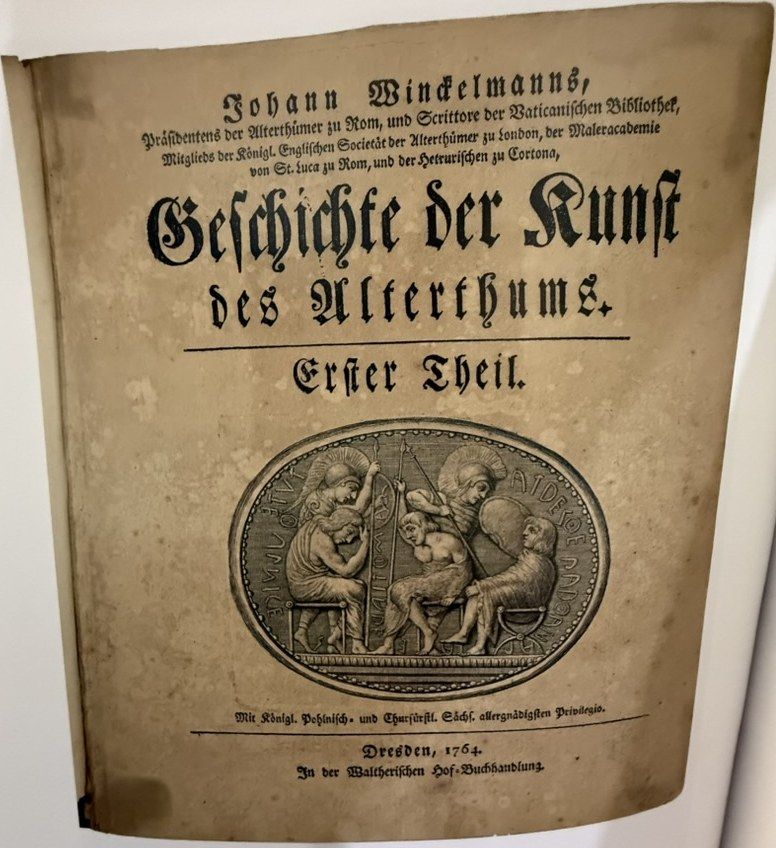
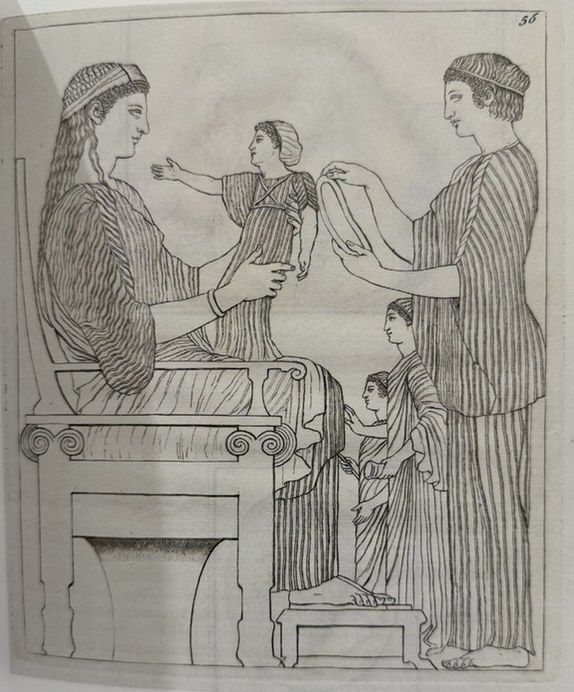
Johann Joachim Winckelmann is the guide I keep returning to. I think he is often misread today: treated as a maker of categories, when what moved him was the Greeks themselves, their philosophy and their understanding of beauty, friendship and grace. I have begun reading him in German, to come closer to what he meant.
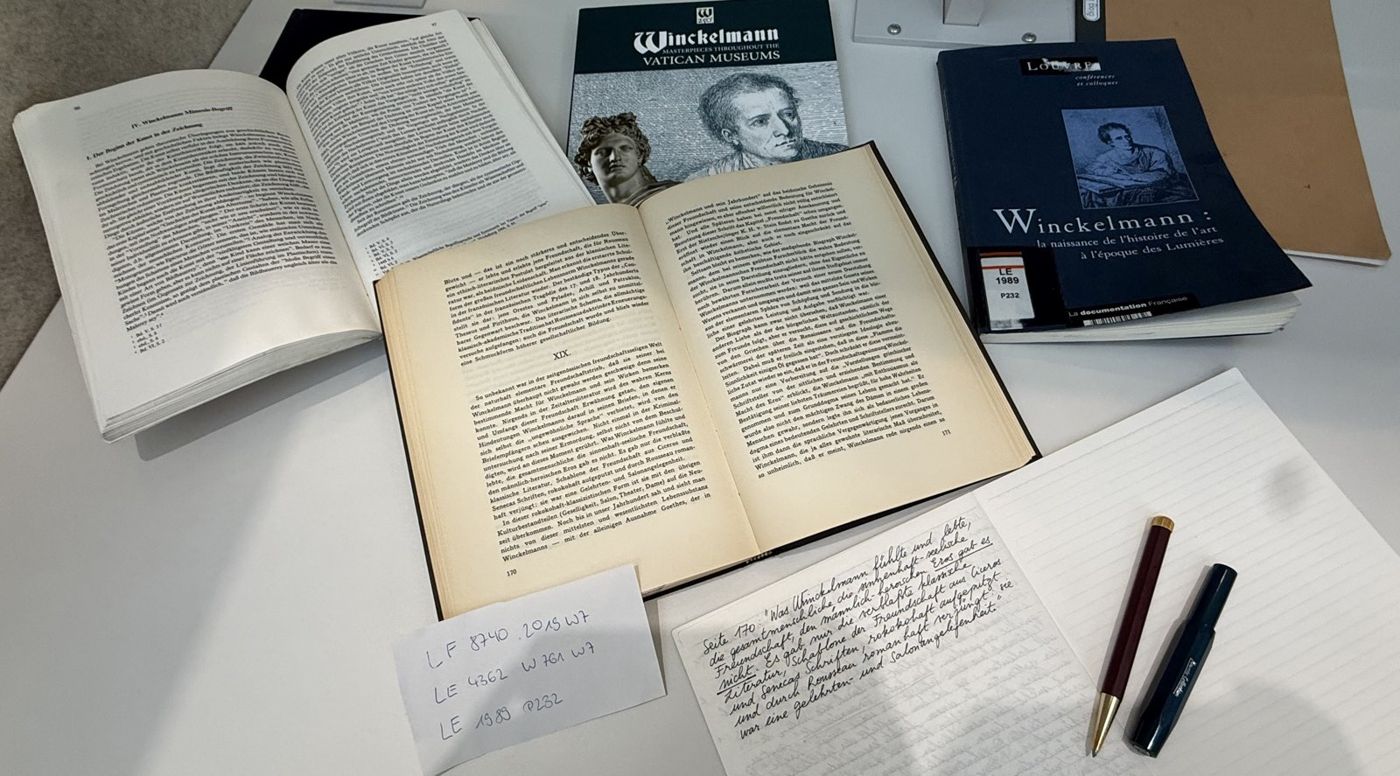
Grace, for him, was not the charm that pleases the senses. It announces beauty, and it speaks to reason. The painter Girodet, who called him “the poet Winckelmann”, took this further: the grace that comes from the soul and the grace that comes from the mind are bound together, and both must be in harmony with the grace of the body.
He was the first to give ancient art a history of its own, told through style. He saw Greek art pass through four styles, each with its own character:
- Older styleVigourfrom the origins to Phidias
- High styleGrandeurPhidias to Praxiteles
- Beautiful styleGracePraxiteles to Lysippos
- Style of the imitatorsImitationLysippos to the late 2nd century AD
For him the Apollo Belvedere stood at the highest point of art, and the Laocoön showed “noble simplicity and quiet grandeur” even in suffering. Rome he placed on a second level, as the imitator that spread Greek art across the Mediterranean. He admired Bernini’s skill but not his figures.
- 1748–1754
- Librarian to Count Bünau near Dresden, where he first studies the royal collections.
- November 1755
- He arrives in Rome, and stays nearly thirteen years.
- 11 April 1763
- He is named Prefect of the Antiquities of Rome, the “Papal Antiquarian”.
- 1764
- The History of the Art of Antiquity is published in Dresden.
- 1767
- The Monumenti Antichi Inediti follows in Rome, with engraved plates of the works he describes.
Most of what he studied in Rome were marbles of the 1st and 2nd centuries AD, Roman copies of Greek works. He did not recognise them as copies and read them as Greek art itself. That is one more reason I keep the question of what was lost open.
Winckelmann beside the essays
His stages on the left, the essays whose works fall inside each on the right.
Egyptian: older style
Until 525 BC
Lasts until Cambyses conquers Egypt.
Greek: older style
Until Phidias, c. 460 BC
Forceful but hard. Lasts until Phidias.
- No essay yet
Greek: high style
Phidias and his time, c. 460–370 BC
Phidias and his time. Art reaches its greatness.
Greek: beautiful style
Praxiteles to Lysippos and Apelles, c. 370–323 BC
Praxiteles to Lysippos and Apelles. Grace and charm.
- No essay yet
Greek: style of the imitators
After Alexander, from c. 323 BC
After Alexander. Imitation and decline, into the Roman Empire.
- 3rd–2nd century BCAncient Greek Bronze Veiled in Mystery
- 3rd–2nd century BCSleeping Eros Statue: A Rare Bronze Masterpiece from Hellenistic Greece
- 3rd century ADGandharan Schist of the Buddha Of The Future
No stage
c. 330–1400
The Middle Ages have no place in his scheme.
- Mid-7th centuryOrigins of Oil Painting: More Ancient and Beyond the West
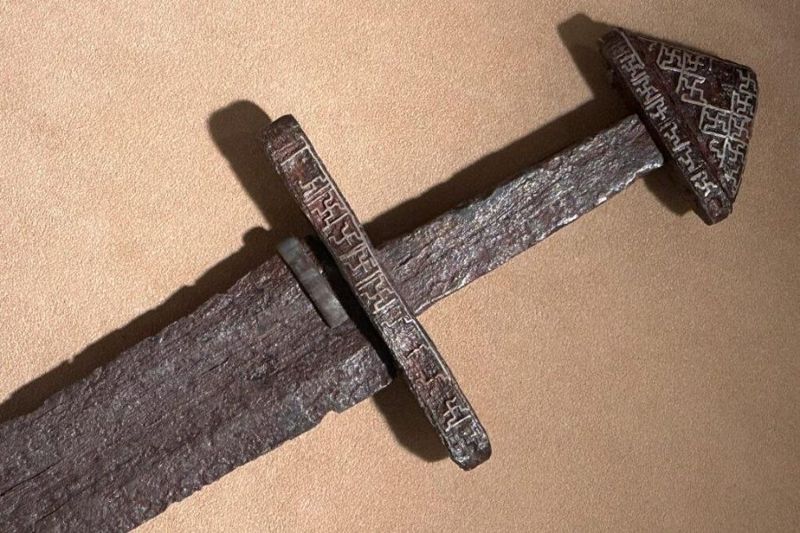
- AD 800–900Unlocking the Enigma of a Viking Sword: The Legacy of Hartolfr
- First half of the 11th centuryIndia’s Oldest Continuously Practiced Faith with a Sculpture
- 1206–1294Mongol Empire: Cultivating Artistic Renaissance Across Realms
Modern: dry and stiff
Before Michelangelo and Raphael
His modern parallel begins. Drawing is dry and stiff.
Modern: the height
Michelangelo and Raphael, c. 1500–1520
Michelangelo and Raphael. The height of art restored.
Modern: interval
c. 1520–1580
A gap in which, by his judgment, bad taste ruled.
- No essay yet
Modern: the imitators
The Carracci to Carlo Maratta, c. 1582–1713
The Carracci and their school, up to Carlo Maratta.
After his scheme
From 1713
His modern parallel stops with Maratta. The book appears in 1764.
Questions this art history timeline answers
- What are Winckelmann’s four styles of Greek art?
- The older style, the high style, the beautiful style and the style of the imitators. He linked them to vigour, grandeur, grace and imitation, running from the origins of Greek art through Phidias, Praxiteles and Lysippos to the late 2nd century AD.
- Which Chinese dynasties were contemporary with ancient Greece, Rome and the Renaissance?
- Ancient Greece (800–146 BC) runs alongside the Zhou, Qin and early Han dynasties. Rome (146 BC–AD 476) runs alongside the Han and the Six Dynasties. The Renaissance (1400–1600) falls within the Ming dynasty (1368–1644).
- What art was destroyed in the French Revolution?
- In August 1792 the royal statues of Paris were pulled down and melted, Girardon’s equestrian Louis XIV among them. In 1793 the royal tombs at Saint-Denis were broken up, the 28 kings of Notre-Dame were thrown down, and the Royal Academy of Painting and Sculpture was abolished.
- How are the French, Russian and Chinese revolutions connected?
- Each took the one before it as its model. The Paris Commune of 1871 looked back to 1789, Lenin took the Commune as his model in 1917, and the Chinese Communist Party, founded on the Soviet model, launched the Cultural Revolution in 1966.
- Why does this art history timeline stop at 1900?
- With Impressionism and abstraction, art turned away from the tradition this timeline follows. The breaks that came after 1900, in Russia and in China, are marked in red.
About the dates
Stone and bronze cannot be carbon-dated. Their dates come from where they were found, from style and from inscriptions, which is why so many read “c.” or “probably”. I take them as the best present estimates, with an open mind.
Photographs
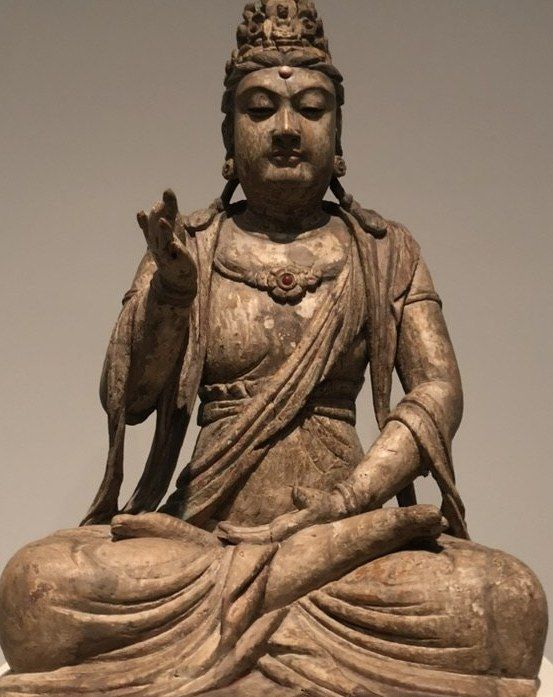
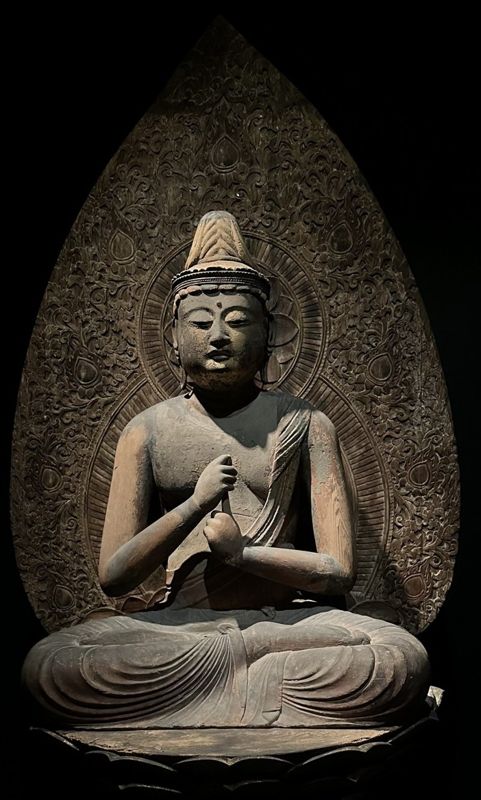
The photographs of the works illustrating each period are my own, taken at the museums named beside them. The exceptions are the Hindsgavl Dagger, credited beside its picture, and three pictures from museum collections: Batoni’s Allegory of the Arts (Städel Museum), Martini’s View of the Salon of 1785 (The Metropolitan Museum of Art) and Guo Xu’s album leaf of 1503 (Shanghai Museum, public domain, via Wikimedia Commons). The photograph of Onfim’s birch bark is by Лапоть, released as CC0 on Wikimedia Commons. The small pictures beside the essay titles are the ones used in each essay.
Sources
- Giorgio Vasari, Lives of the Artists, preface, 1550; Dante, Inferno, canto XI; Genesis 1:27.
- Johann Joachim Winckelmann, History of the Art of Antiquity, 1764.
- Berthold Vallentin, Winckelmann.
- Winckelmann : la naissance de l’histoire de l’art à l’époque des Lumières, Louvre, conférences et colloques. La Documentation française.
- Winckelmann: Masterpieces throughout the Vatican Museums, exhibition catalogue, Edizioni Musei Vaticani, 2018.
- Li Hongzhi, Teaching the Fa at the Discussion on Creating Fine Art, 2003.
- Li Hongzhi, Zhuan Falun.
- Nine Commentaries on the Communist Party, 2004.
- V. I. Lenin, The State and Revolution, 1917, on the Paris Commune as a model.
- Museum labels for the works illustrated, as credited beside each picture.
Found an error, or a different date?
This timeline is a work in progress, and I want it to be right. If you spot a mistake, or know a better date or attribution for a work, please write to me. Tell me which work or date, what you would change, and your source if you have one. I read every message, and I update the page when I can confirm a change.
Write to me